What to eat for breakfast, lunch and dinner to boost your heart health
We know the basics of a heart-healthy diet: eat your five-a-day, cook with olive oil rather than butter and choose fish over red meat. However, a new study suggests we may be overlooking a food group that is key to preventing heart disease.
A meta-analysis recently published in the European Heart Journal suggests that eating four to six servings of wholegrains a day (around 60-100g) can significantly reduce the risk of heart disease. This is because whole-grains are rich in dietary fibre and contain minerals such as magnesium and antioxidants, all of which have been found to lower LDL cholesterol in the blood, as well as body weight, blood pressure, blood sugars and inflammation – key contributors toward heart disease.
Of course, knowing what is good for your heart is one thing, but turning that advice into easy, nutritious meals and snacks is another. So, from breakfast to dinner, here’s how to build a heart-healthy eating plan.
The best recipes from Australia's leading chefs straight to your inbox.
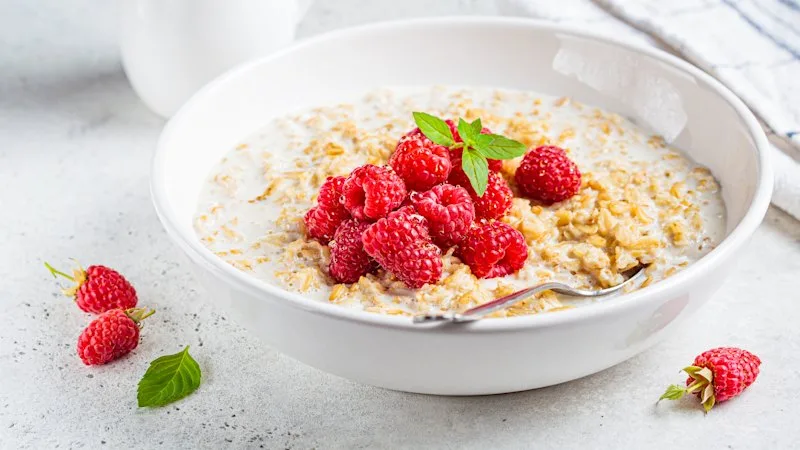
Porridge is an easy way to start the day with wholegrains and fibre, says Heather Daniels, a specialist dietitian. “Roughly 30-40g is considered one portion of wholegrains.”
A serving of porridge oats contains up to 4g of dietary fibre, roughly half of which is soluble fibre. This type, she says, “binds to cholesterol and bile acids in your gut, helping your body to excrete them and lowering LDL – or ‘bad’ – cholesterol levels”.
Daniels explains that making your porridge with approximately 200ml of “semi-skimmed or skimmed milk adds protein to your breakfast, which will keep you fuller for longer, slow down digestion and prevent a rapid glucose spike”.
You can further boost the heart-health benefits by topping your bowl with raspberries, which are particularly high in cholesterol-lowering fibre. An 80g serving contains roughly 5g of your recommended 30g per day, while berries are also rich in antioxidant compounds that may reduce inflammation.
“Low-grade inflammation – essentially having any level of inflammation over a long period of time – can contribute to atherosclerosis [a build-up of plaque in the arteries], which can lead to heart disease,” Daniels says.
If you prefer a savoury breakfast, eggs on wholemeal toast is Daniels’ top choice.
“Despite previous advice to limit eggs for heart health, current evidence suggests that moderate egg consumption is not a concern for most healthy people,” she explains. What you eat alongside them – and your overall dietary pattern – matters too.
In fact, one study published in 2018 found that eating up to one egg a day was associated with a lower risk of heart disease, strokes and related deaths. They contain a type of fat called phospholipids that can raise HDL (“good”) cholesterol levels, antioxidants that may protect blood vessels against inflammation, and are high in protein which helps regulate blood sugar levels.
Daniels suggests eating one or two boiled or poached eggs with a slice of wholegrain toast. A cheap loaf of wholemeal counts, as long as the first ingredient reads “wholemeal wheat flour”.
5News aggregated this summary from the outlet’s public feed. The full article, with all the context, is on www.brisbanetimes.com.au — the content belongs to Brisbane Times.