Belmont joins three other councils in push to send more waste to energy and not landfill
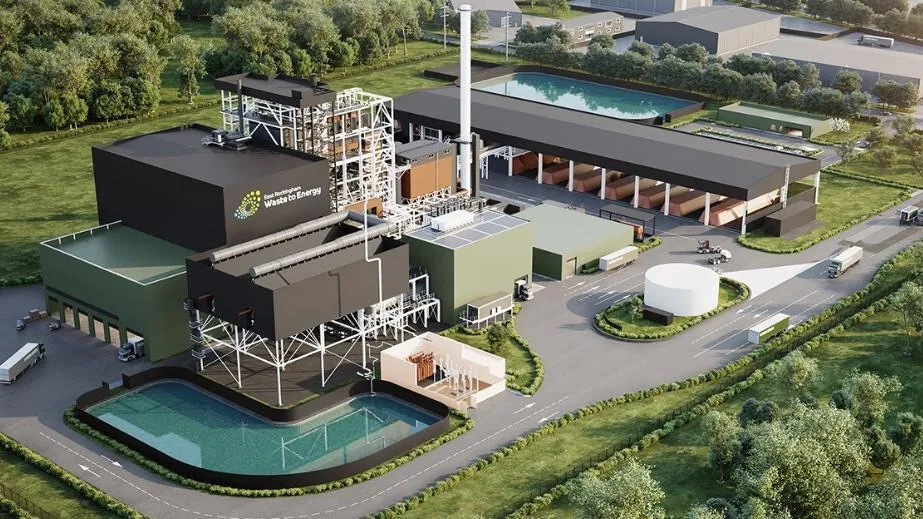
The City of Belmont has joined the cities of Swan and Kalamunda and the Shire of Mundaring in directing their ratepayers’ general waste to the $515 million East Rockingham Waste to Energy Facility .
The 10-hectare facility in the Kwinana Industrial area is designed to divert residual waste from landfill by converting it into energy and recovering useful materials, with up to about 96 per cent of the councils’ waste taken to the facility expected to be diverted from landfill.
According to the East Rockingham Waste to Energy Project site, the facility will process 300,000 tonnes per year of residual waste from non-recyclable materials in the Perth metropolitan area to deliver 29MW of baseload electricity capacity — enough to power more than 36,000 homes.
The City of Belmont hopes the arrangement will deliver both environmental and financial benefits, especially as the cost of landfill continues to rise.
The waste-to-energy process also enables metals to be recovered for recycling, while the remaining ash could potentially be used in road construction and the production of other construction materials.
Belmont mayor Robert Rossi said the agreement was an important step towards a more sustainable future.
“Working together with our neighbouring councils allows us to deliver better outcomes for our communities and the environment,” he said.
“This partnership supports a long-term approach to waste management, helping reduce reliance on landfill while creating positive environmental benefits for future generations.”
The four councils are working together as part of a broader push to improve waste management outcomes and provide a long-term solution for residual waste generated across Perth.
They were part of the East Metropolitan Regional Council, which runs the Red Hill waste management facility, but progressively left over the past five years .
WA has the nation’s highest waste generation rate per person while also having the lowest recovery rate, with more than 23 million tonnes of waste disposed of to landfill across Australia each year.
The project supports the objectives of the WA Waste Avoidance and Resource Recovery Strategy 2030 .
5News aggregated this summary from the outlet’s public feed. The full article, with all the context, is on www.perthnow.com.au — the content belongs to PerthNow.