'Bloody dangerous': world to exceed 1.5-degree warming
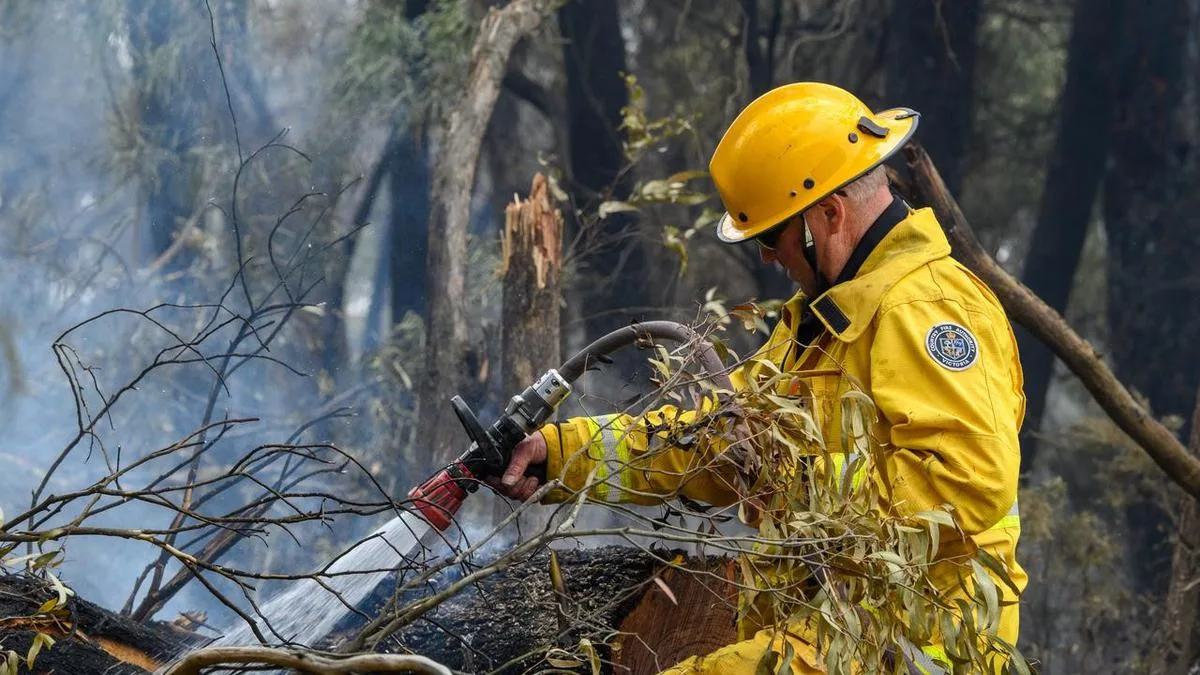
The world will exceed 1.5 degrees of warming within years, a United Nations report has found, exposing communities to more extreme heatwaves, cyclones, floods, fires and rising sea levels.
Even the most optimistic scenario forecasts global warming to peak at 1.8 degrees above pre-industrial levels, raising the risk of irreversible environmental harm and leaving island nations vulnerable to submersion.
The United Nations Environment Programme issued the warning in a major report on Wednesday, which urged governments to accelerate emission cuts and carbon removal to plot a return to lower temperatures.
The report comes as leaders meet at the Pacific Islands Forum in Palau to discuss climate conditions affecting the region, and weeks before world representatives attend a pre-COP event in Fiji and Tuvalu.
Environmental groups called the findings terrifying, and said they should sound a worldwide warning for policymakers to reconsider additional coal, oil and gas projects.
The 141-page study, called Limiting Overshoot, found action to reduce greenhouse gas emissions had not been fast enough to prevent temperatures breaching the Paris Agreement's 1.5-degree target.
The climate challenge had shifted from avoiding a 1.5-degree rise to navigating it, the report said, and bringing temperatures down as fast as possible in an approach described as "overshoot, peak and decline".
Under current policies, global warming is projected to reach a median of 2.6 degrees by 2100, while the most optimistic scenario, in which all nations meet their pledges and long-term net-zero targets, predicted a peak of 1.8 degrees.
The scenarios underlined the need for urgent action to limit climate damage, UN Secretary-General Antonio Guterres said.
"We must make the overshoot as small and short as possible, limiting how high temperatures rise and how long they remain above 1.5 (degrees)," he said.
"That demands an overshoot of ambition: accelerating the phase-out of fossil fuels and the renewables revolution, slashing methane pollution, and protecting land, forest and oceans."
The projected temperature rise would not be safe for the planet, the report found, with risks including more coral bleaching, biodiversity loss, and extreme weather, such as cyclones, floods, droughts and fires.
Some climate damage would be irreversible, such glacier loss and sea-level rises, and small island developing states and low-lying cities could become uninhabitable before they are partially or totally submerged.
A decade of global warming could take 50 years to reverse under optimistic carbon-removal assumptions, the study found, and a return to temperatures below 1.5 degrees of warming remained uncertain.
5News aggregated this summary from the outlet’s public feed. The full article, with all the context, is on www.perthnow.com.au — the content belongs to PerthNow.