Elevated rates of MND found in regional Australia
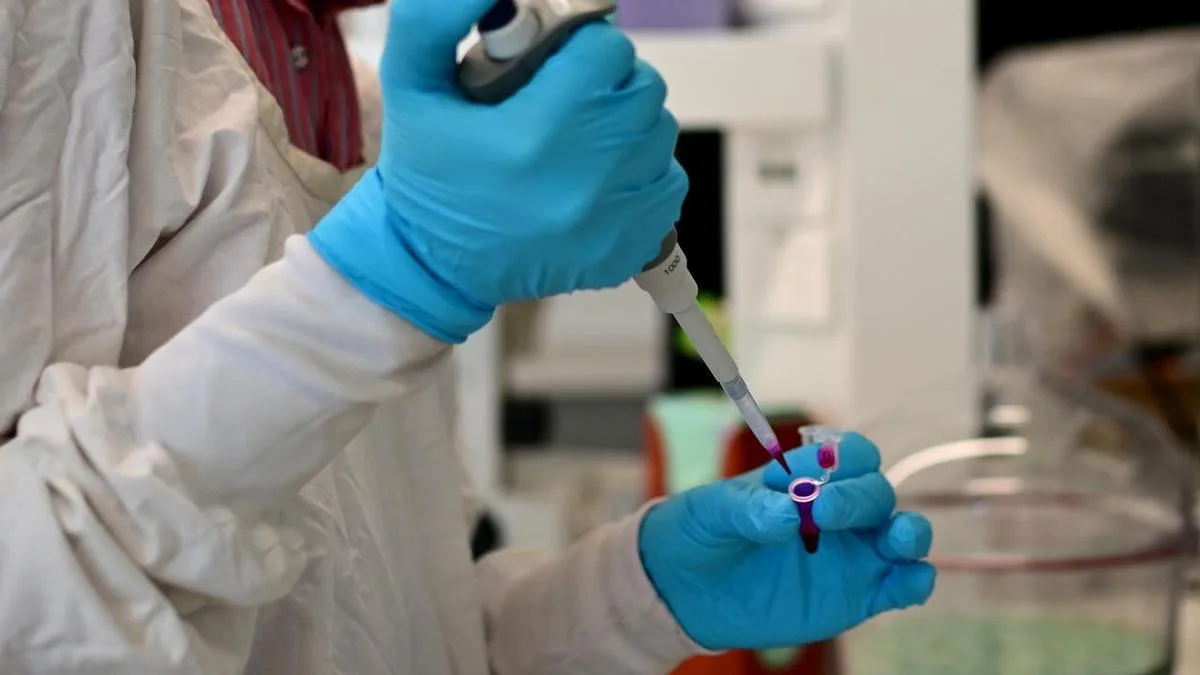
People across a vast swathe of Australia are developing a deadly disease at more than four times the global average.
Researchers found a motor neuron disease (MND) incidence rate of 3.72 cases per 100,000 people annually across western NSW.
In some areas, the prevalence of MND was up to seven times higher than expected, with several higher-incidence regions overlapping with areas of more intensive agricultural activity.
The global burden of MND is increasing, and in 2021 the age-standardised prevalence and incidence were estimated at 0.77 cases per 100,000 people.
Clinical research expert Lyndal Henden said the study was the first time MND had been mapped in the Australian community.
"Unexpectedly high rates emerged across parts of regional NSW," she told AAP.
MND was also observed to be occurring at higher rates in women than in other areas, and the incidence of bulbar-onset MND was unusually high.
"In addition to there being a relatively high burden of MND, the breakdown of the cohort in terms of sex and site of onset, where it typically occurs first in the body, was quite surprising to us," Dr Henden said.
The highest MND prevalence estimates were observed in Oberon, with 23.90 cases per 100,000 people and Walgett, with 19.04 per 100,000 people.
Elevated prevalence was also observed in Forbes, Cowra, Orange, and the Mid-Western local government area.
In contrast, no cases were recorded during the study period in several neighbouring councils, including Bogan, Cobar, and Weddin.
Researchers also found an unusual clinical pattern, with 47 per cent of cases being bulbar-onset MND, compared to about 25 per cent globally.
This form of the disease often first appears as changes in speech or swallowing rather than weakness in the arms or legs, and can progress rapidly.
Women were diagnosed with bulbar-onset disease at a substantially higher rate than generally reported – 61 per cent compared to about 35 per cent.
5News aggregated this summary from the outlet’s public feed. The full article, with all the context, is on www.perthnow.com.au — the content belongs to PerthNow.