I see trees of green, and skies of blue – but the neighbours are warring over views
It’s that time of year: spring is on our doorstep, the jacarandas are about to bloom shades of purple and green leaves are unfurling across the city.
But new tree growth can cause problems, especially when prized views of the Brisbane River or the city skyline are obstructed.
Clashes over trees in Brisbane’s suburbs are not an unusual occurrence. Each year, there are thousands of disputes between neighbours over imposing trees, encroaching roots, overhanging branches and leaf litter.
Some disputes span years, costing thousands of dollars in experts’ reports and legal fees.
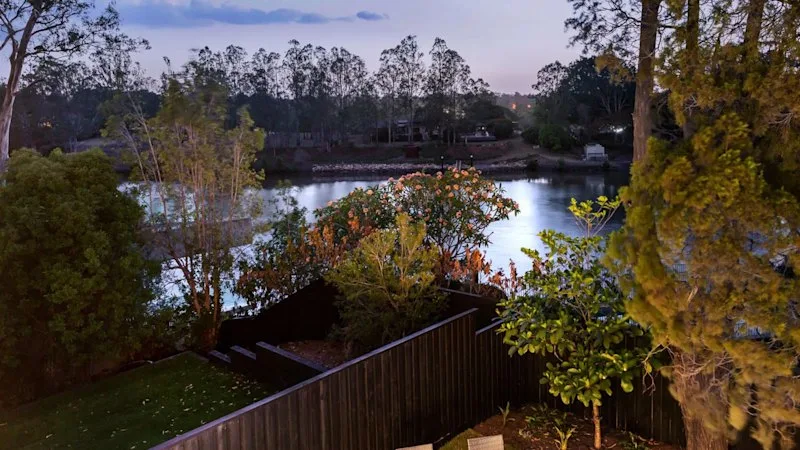
Prominent Brisbane oral and maxillofacial surgeon John Arvier and his wife Louise have been embroiled in a years-long dispute with their neighbours over a number of weeping lilly pillies ( Waterhousea floribunda ) they planted on the side boundary of their riverfront Graceville property in Brisbane’s west.
The Arviers’ neighbours, Angus and Alissa McDougall, argue the trees obstruct their view of the Brisbane River. The Arviers disagree, saying their neighbours’ view of the river was already restricted when they bought the house.
The neighbours are among hundreds of residents who end up in Queensland’s Civil and Administrative Tribunal each year, arguing over trees.
Over the past five years, 1224 tree dispute applications have been lodged with QCAT – an average of about 245 applications each year.
It takes an average of 98 weeks (nearly two years) for a dispute to be finalised, but many take much longer.
The McDougalls lodged their tree dispute application with QCAT in 2022, about two years after purchasing their $2 million Graceville home.
“This was a slow, frustrating process, particularly when you’re the one disadvantaged.”
Their property had a view, albeit a limited one, of the Brisbane River from an upstairs bedroom and balcony. It was a key factor in their decision to buy the house in 2019, QCAT heard.
At the time, the Arviers had knocked down their existing riverfront property and their new home was under construction. They later planted weeping lilly pillies along the boundary for privacy reasons.
Under the Neighbourhood Disputes (Dividing Fences and Trees) Act 2011, the McDougalls were required to demonstrate that the trees have a “substantial impact on their enjoyment and amenity of their views of the river that existed when they purchased their property in 2019”.
5News aggregated this summary from the outlet’s public feed. The full article, with all the context, is on www.smh.com.au — the content belongs to Sydney Morning Herald - National.