What’s the difference between psychotherapy and psychoanalysis?
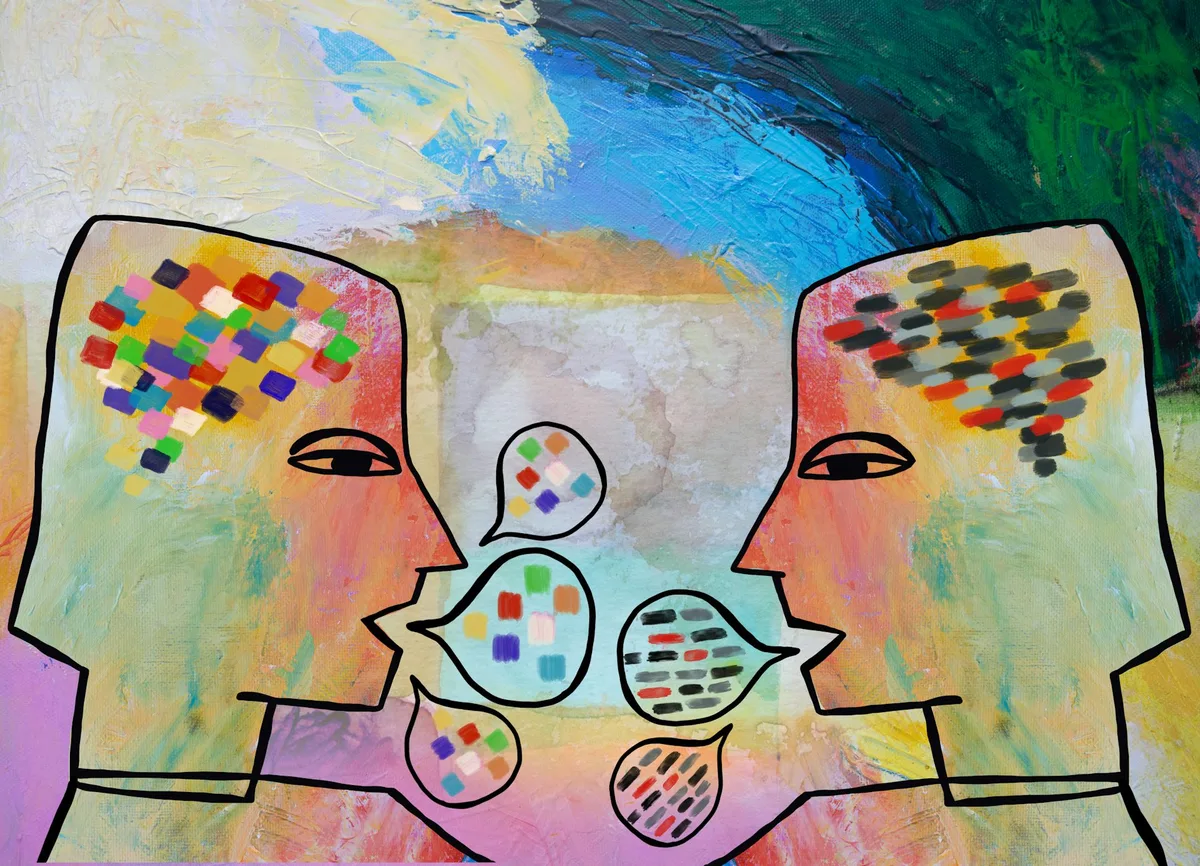
stellalevi/Getty Mention psychotherapy and many people picture a familiar movie scene: someone lying on a couch, talking about their childhood, while a therapist sits behind them taking notes.
That image comes largely from psychoanalysis.
But it doesn’t represent most psychotherapy today.
Psychotherapy and psychoanalysis aren’t really competing treatments.
Psychotherapy is the broader term for a range of psychological treatments designed to help people change troubling thoughts, feelings, behaviours, or relationships.
These include cognitive behavioural therapy, family therapy, and psychoanalysis, which played an important role in the field’s development.
Where did psychoanalysis come from? Psychoanalysis developed from the work of Austrian neurologist Sigmund Freud in the late 19th and early 20th centuries.
Freud proposed that much of our mental life happens outside our conscious awareness .
He believed early experiences and unconscious conflicts could shape how we feel and behave.
Sigmund Freud and his daughter and fellow psychoanalyst, Anna Freud, in Paris in 1938.
Hulton Deutsch/Getty Psychoanalysis aimed to bring these influences into awareness.
Patients were encouraged to say whatever came to mind, a technique known as free association , while the analyst helped them look for patterns and meanings.
Dreams and the patient’s relationship with the analyst could also be explored.
Psychoanalysis also strongly influenced early psychotherapy with children.
5News aggregated this summary from the outlet’s public feed. The full article, with all the context, is on theconversation.com — the content belongs to The Conversation Australia.