Inflation figures drop to lowest in eight months but still causing worries for mortgage holders
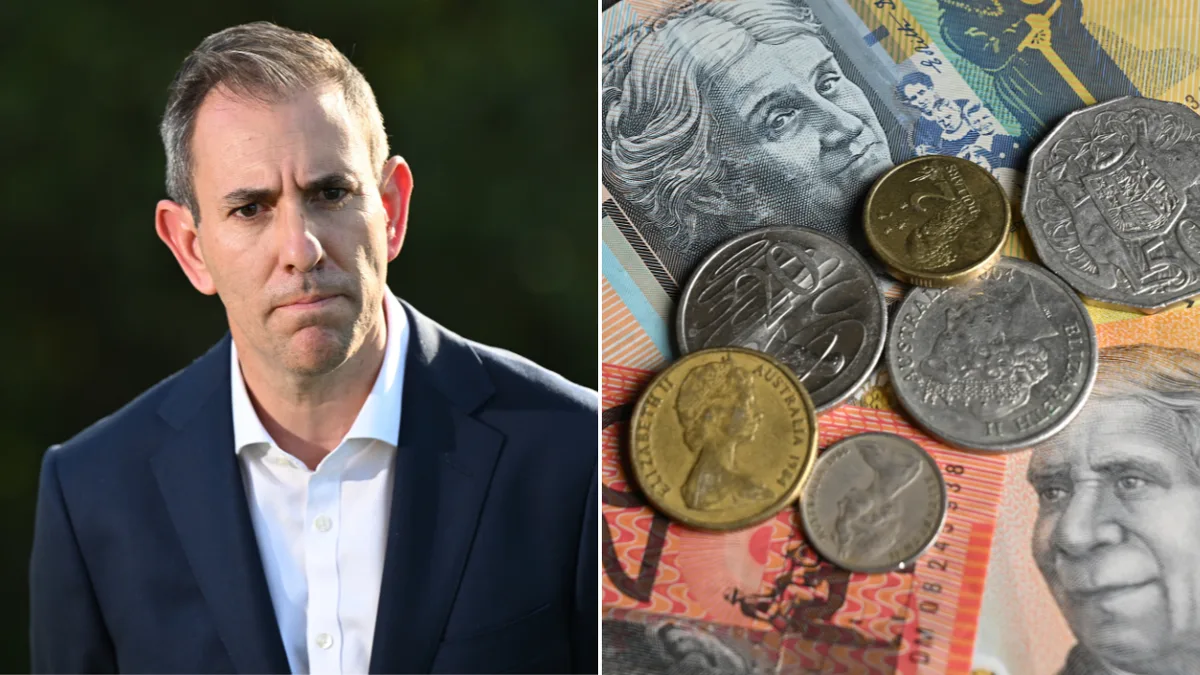
Australia’s inflation rate has dropped to its lowest level in eight months but the big picture is far from rosy.
The Australian Bureau of Statistics on Wednesday revealed the consumer price index rose 1 per cent in July, resulting in the annual rate of inflation falling to 3.5 per cent.
Largely as a result of a decline in the growth of electricity prices, headline inflation was down from 3.8 per cent in the year to June and the lowest level since November.
Federal Treasurer Jim Chalmers said the figures show a “promising result in the face of all of this global uncertainty but we know people are still under pressure”.
“Inflation has come down considerably, it’s already substantially lower than forecast at Budget time, but we know it’s still too high and it will bounce around in the coming months on its way back to the target range,” he said in a release.
Chalmers added war in the Middle East had continued to aggravate inflation issues from when the government was re-elected in 2025.
“We already had an inflation challenge in our economy but the war is making it worse,” he said.
“While the initial impact from the conflict on inflation came from fuel, we’re now seeing it broaden into other areas of our economy like dwelling construction costs.”
While it has reduced, it is still far above the 3.3 per cent it was expected to fall to.
Worryingly for the Reserve Bank, trimmed mean inflation — a measure of underlying inflation that strips out volatile items — held steady at 3.6 per cent, above expectations of a fall to 3.5 per cent.
ABS head of price statistics Rachel McCririck said the cost of housing and fuel were contributing to inflation remaining high.
“New dwellings prices rose 5.7 per cent in the 12 months to July as builders passed on higher costs for materials and labour,” she said.
Fuel prices rose 7.5 per cent in the past month, having fallen over the three months prior, which McCririck said was “driven by higher world oil prices and the partial unwinding of the federal government’s fuel excise”.
Food and non-alcoholic beverages were also strong contributors, rising 3.2 per cent, as well as recreation and culture, which rose 2.6 per cent.
5News aggregated this summary from the outlet’s public feed. The full article, with all the context, is on 7news.com.au — the content belongs to 7NEWS Australia.