Listening to the bush: How AI can help NZ rid its wilderness of ‘hold-out’ pest possums
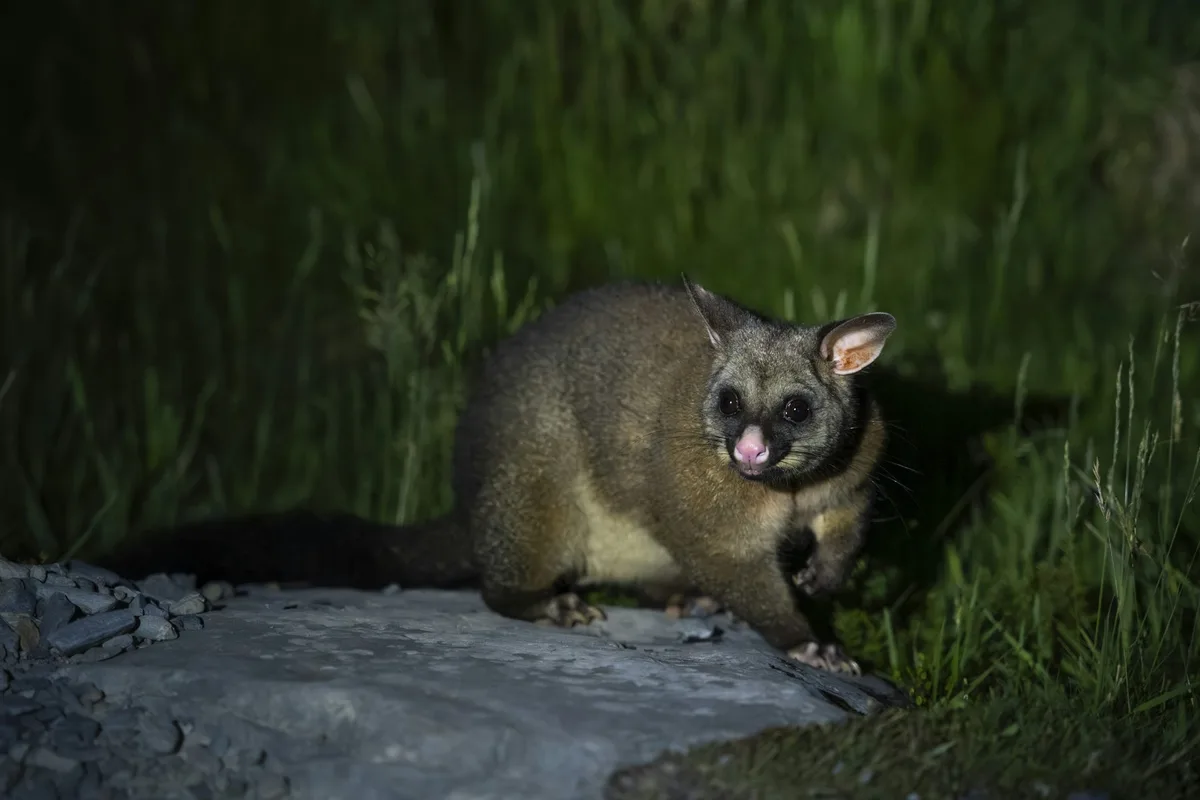
Suzanne Fritzsche/Getty Images Possums are among New Zealand’s most destructive introduced mammals .
They damage native forests, prey on wildlife and remain a major target of the country’s Predator Free 2050 programme .
But removing most possums from an area through predator control is only part of the challenge.
Finding the last few survivors can be much harder.
Even a handful of remaining animals can eventually rebuild a population, making it essential that conservation workers have effective tools to detect them.
One promising solution lies in microphones that record sounds overnight, combined with artificial intelligence (AI) software capable of scanning thousands of hours of audio for possum calls.
Our new research shows this approach can work well – but only if the AI learns not to mistake other animals for possums.
When AI hears possums that aren’t there AI is becoming increasingly useful for analysing wildlife recordings, allowing vast amounts of audio to be processed automatically rather than requiring volunteers or researchers to listen to every recording.
This is particularly valuable during the final “mop-up” stage of eradication, when only a handful of animals remain and locating them can be challenging.
Many AI models can also run directly on small, battery-powered recording devices in remote forests, avoiding the need to upload huge amounts of audio for processing.
But there is a problem.
AI models designed to run on low-power devices often produce more false alarms, wrongly attributing the calls of other animals to possums.
For conservation teams, a false alarm can mean travelling to remote locations in search of an animal that isn’t there.
To tackle this problem, we developed a new training approach called “cross-model confusion mapping”.
5News aggregated this summary from the outlet’s public feed. The full article, with all the context, is on theconversation.com — the content belongs to The Conversation Australia.