Microfinance was supposed to save Asia’s poor. Why has it failed to live up to its promise?
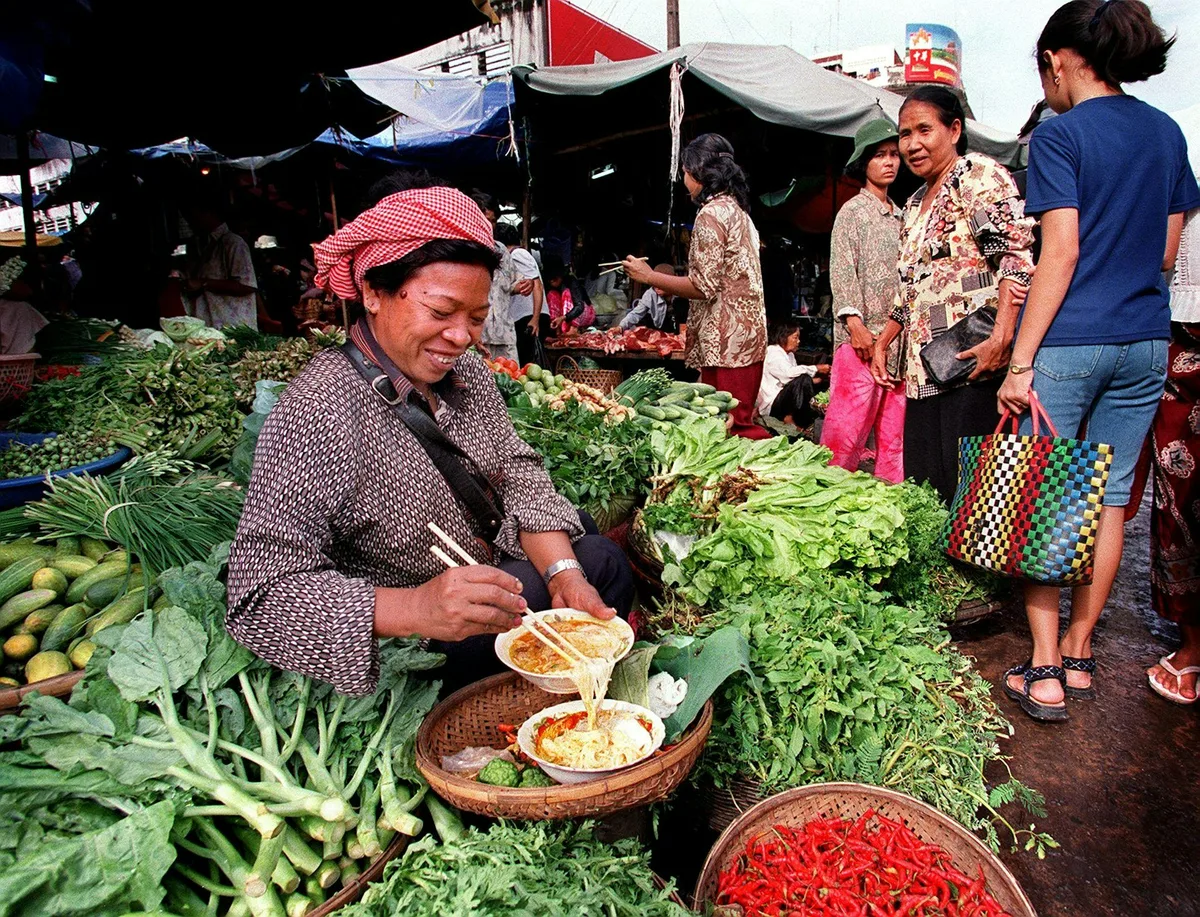
Rob Elliott/AFP via Getty Image Microfinance was once celebrated as Asia’s tool to lift people out of poverty.
From Bangladesh to India, Cambodia and the Philippines, the promise was simple: provide small loans to low-income households, help them start businesses, increase income and escape poverty.
Pioneered in the 1970s , microfinance was designed to provide financial services to low income people typically excluded from traditional banking.
Small loans, usually between US$200 and US$500 were particularly targeted at empowering women to start businesses and support their families.
According to the World Bank, more than 1.7 billion people do not have access to banking.
Yet decades of experience suggest that credit alone has not delivered the transformation to economic independence promised.
We need to ask a difficult question: what if we solved the wrong problem? Based on flawed assumptions One fundamental problem is the assumption that poor households in developing nations lack capital but have profitable investment opportunities.
In reality, many poor families operate very small businesses such as food stalls, small shops, farming , tailoring or petty trading.
These activities are often labour intensive and face intense local competition.
Giving more people loans can therefore create more businesses without creating more customers.
When many borrowers enter the same market, additional credit may simply divide existing demand among more businesses.
That boosts competition and makes it harder for individual businesses to generate a profit.
This problem is closely related to another assumption: that poor families are entrepreneurial.
Some borrowers do have business experience , skills, networks and opportunities that allow them to generate a high return on their investment.
5News aggregated this summary from the outlet’s public feed. The full article, with all the context, is on theconversation.com — the content belongs to The Conversation Australia.