The war on terror failed Afghanistan. But the people’s hopes for democracy live on
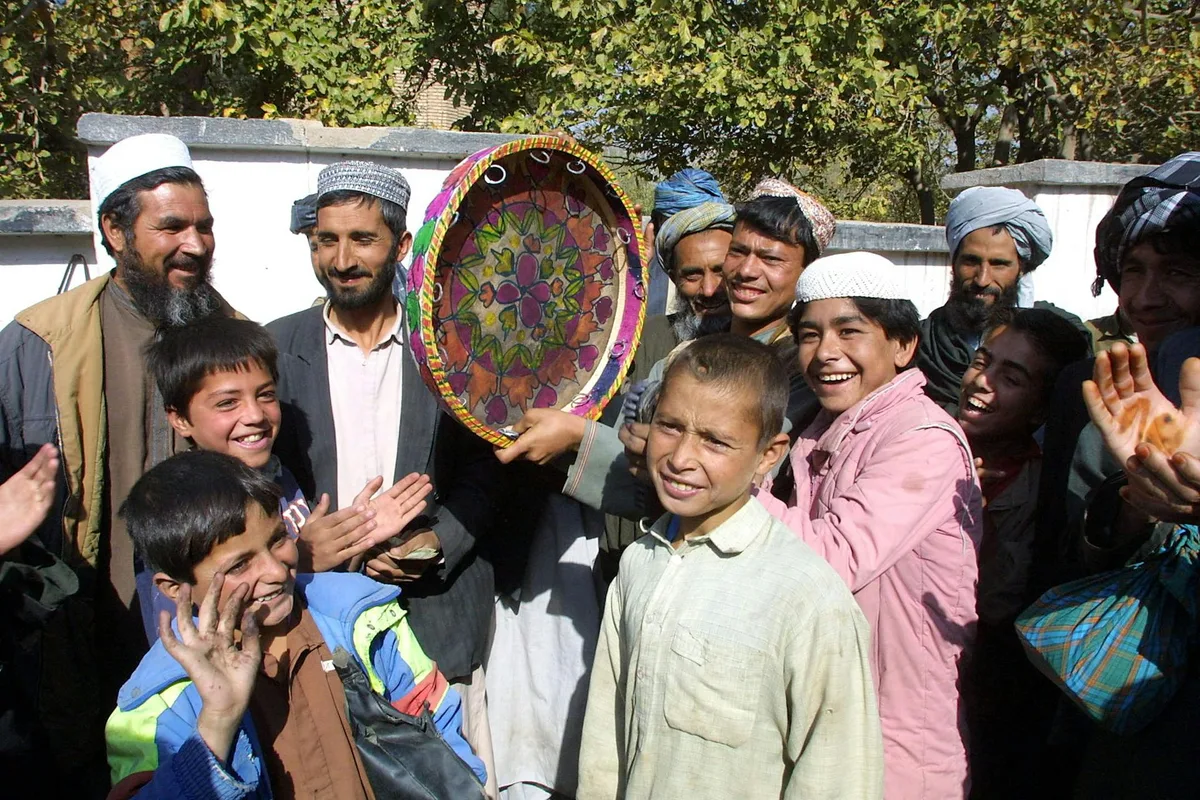
Behrouz Mehri/AFP via Getty Images Twenty-five years ago this week, the United States launched strikes in Afghanistan, targeting al-Qaeda training camps and Taliban military installations.
It marked the beginning of the first military campaign in the US-led “ global war on terror ”.
This war, supported by an international coalition that grew to include about 50 nations, came in direct response to the September 11 2001 terrorist attacks.
It was to be, in the words of then-US President George W.
Bush: A war against all those who seek to export terror, and a war against those governments that support or shelter them.
Today, a quarter of a century later, the Taliban have returned to power.
The women and girls of Afghanistan face severe oppression.
And the country is grappling with economic and humanitarian crises.
The 25th anniversary of 9/11 has triggered a new wave of Western commentary on the war on terror and its complicated legacy.
Yet, an important voice is still missing from much of the commentary: that of the people of Afghanistan themselves.
The people were the most profoundly affected by the conflict and its aftermath.
And it is their longtime hopes for democracy that live on.
An unexpected opportunity All three of us were born, raised and displaced during the first or second decades of conflict that preceded 2001, including the Taliban’s first period of rule from 1996 to 2001.
Like many others, we experienced the US-led intervention that followed 9/11 as an unexpected yet welcome opportunity.
5News aggregated this summary from the outlet’s public feed. The full article, with all the context, is on theconversation.com — the content belongs to The Conversation Australia.