Natural hazards don’t obey electoral cycles. The next government faces crucial choices
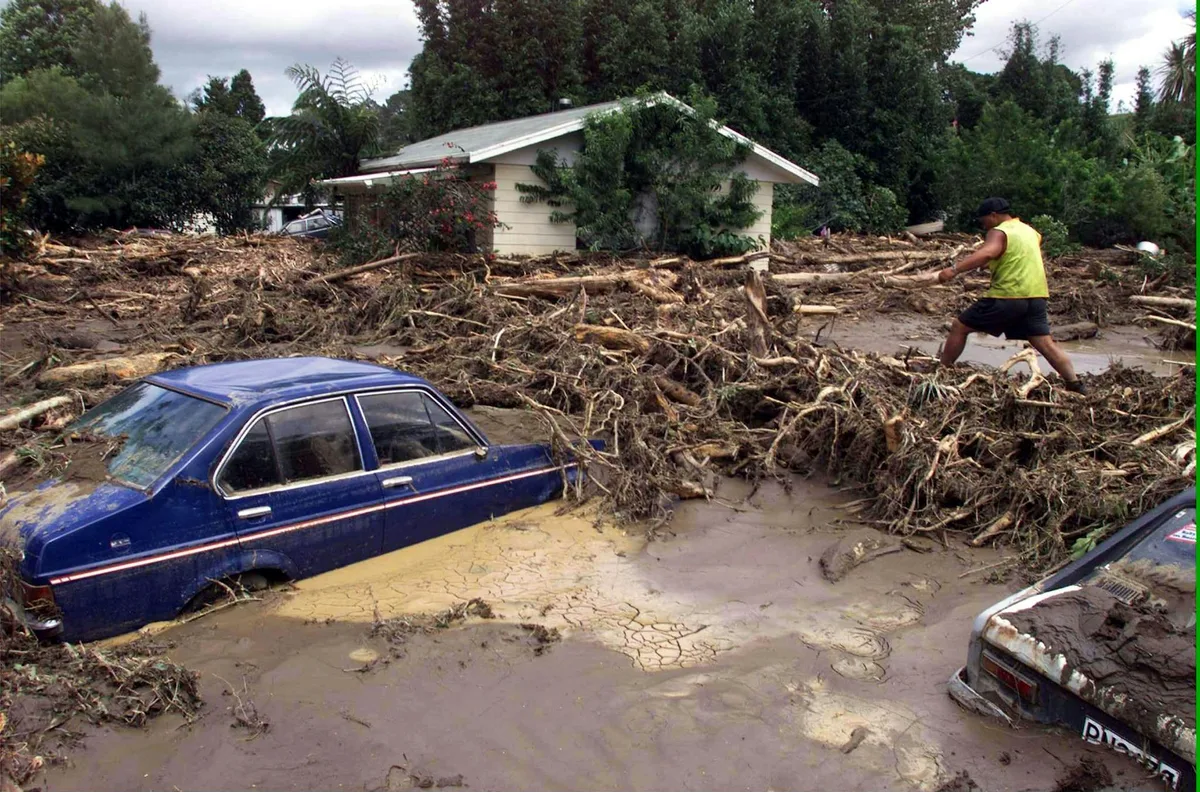
Paul Estcourt/NZ Herald/AFP via Getty Images Every election seems to return to the same themes: the economy, health, housing and the cost of government.
But one challenge cuts across these and will confront whichever government is elected.
Whether they feature in the campaign or not, natural hazards affect the economy, health and wellbeing, where we build, insurance premiums, and the liabilities we transfer to future communities and taxpayers.
New Zealand’s geography makes it particularly vulnerable to floods, tsunamis, coastal erosion, severe storms, earthquakes, landslides, wildfires and droughts.
Climate change and ongoing development will further increase exposure and risk, and require adaptation strategies.
The costs are substantial.
Insurance claims from a single event, the 2023 Auckland anniversary weekend floods, resulted in more than NZ$2 billion in insured losses .
But figures like these only capture part of the costs, with additional impacts associated with disruption, infrastructure damage or adverse health effects.
Each political party may pursue different policies, but all operate within the same hazard landscape.
Their decisions will have tangible consequences: how often hazards become disasters, how severe their impacts are, how quickly adaptation or recovery occurs, and how many people are affected.
As researchers who have spent decades working on natural hazards, we offer three key observations that should inform the next government’s agenda.
A challenge beyond election cycles A generation ago, the biggest challenge was understanding New Zealand’s natural hazards.
Today, there is investment in hazard science and mapping, risk modelling, and post-disaster inquiry.
We know more about the communities and infrastructure exposed.
5News aggregated this summary from the outlet’s public feed. The full article, with all the context, is on theconversation.com — the content belongs to The Conversation Australia.