In 20th-century India, the perfect Hindu wife was… a man
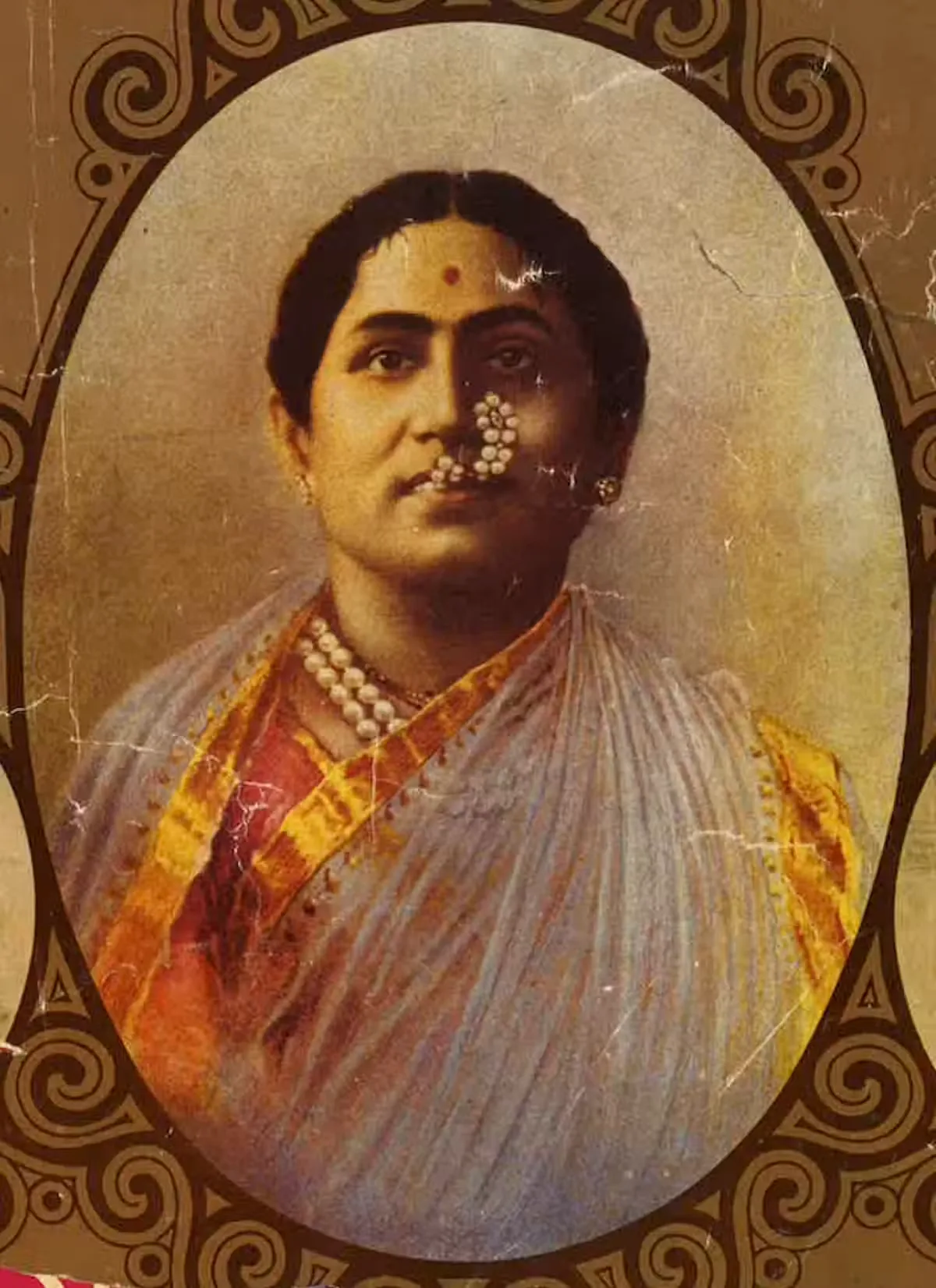
Bal Gandharva as the character 'Sindhu' in the production of Ekach Pyala.
Bharat Natya Sanshodhan Mandir/Maharashtra Times centenary issue magazine, Balgandharva Janmashatabdi Visheshank, 1988 For much of the 20th century, the most admired wife in Marathi-speaking India was not a woman at all.
Bal Gandharva (1888–1967), a celebrated impersonator of Marathi sangeet natak (musical theatre), played devoted heroines with such conviction that film actresses well into the 1970s were trained to reproduce his mannerisms.
How did a man come to define middle-class femininity with such authority? My recently published research traces Gandharva’s enactment of womanhood from the stage to the marketplace.
It reveals how his star persona became a site where respectable Hindu femininity was produced and commodified – a project that the theatre industry, emerging consumer culture and Hindu nationalist politics each exploited for their own ends.
Bal Gandharva posing with flowers, parading himself as the perfect wife.
Display placard, courtesy of Bharat Natya Sanshodhan Mandir, Pune Staging respectability India’s pervasive caste system divides Hindus into distinct groups based on which caste they are born into, with certain castes regarded as “higher” than others.
Some of these “lower” castes are made up of hereditary performers: families with a lineage of performing arts.
Historically, women from these communities were allowed – and sometimes expected – to perform and entertain.
But Marathi sangeet natak , which emerged in the mid-19th century, was a predominantly upper-caste and middle-class practice.
Its proponents viewed women from hereditary performing castes as unfit to appear before upper-caste audiences, and refused to engage them – or any women – on stage, even while relying on their uncredited labour behind the scenes.
Instead, female stage roles were performed exclusively by upper-caste men.
Hindu nationalists condemned any trace of effeminacy in men as a sign of a weakened spirit.
However, they made concessions for sangeet natak as the sector developed close ties with the influential nationalist leader Bal Gangadhar Tilak (1856–1920).
5News aggregated this summary from the outlet’s public feed. The full article, with all the context, is on theconversation.com — the content belongs to The Conversation Australia.