Monday 24 August 2026 SourcesAbout🌓
🇦🇺 AU ▾
BREAKING
The viral Korean skincare treatment has landed at Chemist Warehouse for just $18.99 Man charged with murder eight months after Port Macquarie woman’s death Pauline Hanson’s deleted tweet deepens One Nation’s migration muddle Tszyu's testy presser before world title eliminator It’s official: Zak Butters declares he’s leaving Port Adelaide Trial date fixed for Labor figure's accused killer Jason Morrison denies seeing anything untoward at Alan Jones lunch Cooking with Coles: How to cook the perfect steak with three crowd-pleasing sauces ‘No urgency’: Carey calls on selectors to back Labuschagne after another poor series From running essentials to a dry skin saviour: 7You editor reveals everything she has bought this August The viral Korean skincare treatment has landed at Chemist Warehouse for just $18.99 Man charged with murder eight months after Port Macquarie woman’s death Pauline Hanson’s deleted tweet deepens One Nation’s migration muddle Tszyu's testy presser before world title eliminator It’s official: Zak Butters declares he’s leaving Port Adelaide Trial date fixed for Labor figure's accused killer Jason Morrison denies seeing anything untoward at Alan Jones lunch Cooking with Coles: How to cook the perfect steak with three crowd-pleasing sauces ‘No urgency’: Carey calls on selectors to back Labuschagne after another poor series From running essentials to a dry skin saviour: 7You editor reveals everything she has bought this August
Science

Antarctic bacteria share ‘life-support’ genes to survive extreme conditions
The Conversation Australia ·
Antarctic bacteria share ‘life-support’ genes to survive extreme conditions

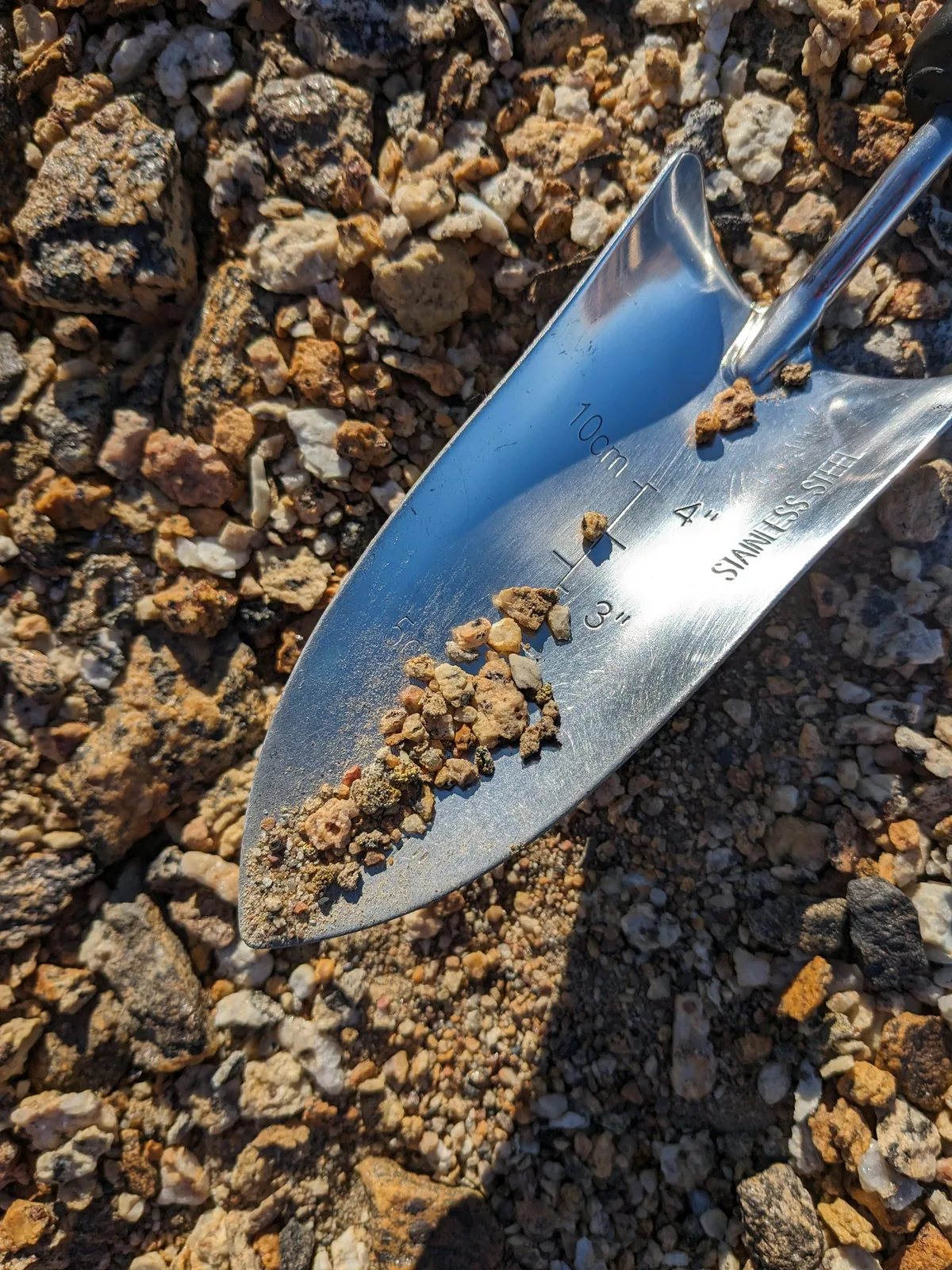
Ry Holland , CC BY Antarctica is one of the driest, coldest places on Earth.

Very little life survives its extremes.

In the soils dotted around the frozen ice sheets, however, communities of microbes do survive.

And one of the keys to their success is a surprisingly communal strategy.

Unrelated organisms share the tools for survival by transferring genes among themselves, including genes that allow them to make energy from the air itself.

In new research, we studied the genomes of 676 microbe species and discovered that almost all of them (around 98%) showed evidence of swapping genes with other microbes.

The study is published in Nature Communications.

Energy from the air Our findings suggest this process, known as horizontal gene transfer, is a key to Antarctic microbe survival.

Genes involved in energy production were among the most frequently transferred.

In particular, the genetic tools that allow microbes to generate energy from atmospheric gases, a process known as “ aerotrophy ”, were very commonly shared.

This is probably because they help microbes harvest scarce resources from their harsh environment.

Aerotrophy allows microbes to use tiny amounts of gases in the atmosphere, such as hydrogen and carbon monoxide, as an energy source.

In most environments, aerotrophy is like a backup generator, allowing bacteria to survive when other resources such as food and sunlight are scarce.

But in Antarctica, it seems to be needed for everyday survival.

Read the full article on The Conversation Australia ›

5News aggregated this summary from the outlet’s public feed. The full article, with all the context, is on theconversation.com — the content belongs to The Conversation Australia.

More from The Conversation Australia

See all ›

More in Science

See all ›