New menopause guidelines designed to cut through misinformation
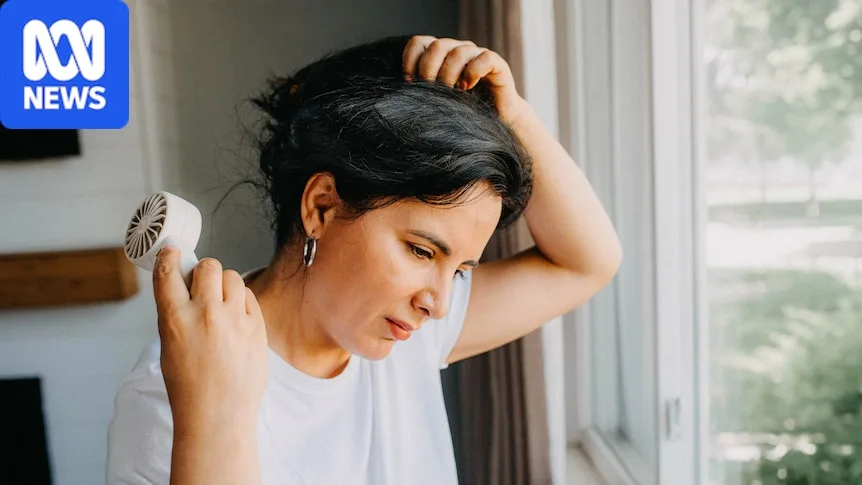
Hot Flushes. Night sweats. Vaginal dryness. Painful sex. A frequent need to wee.
Menopause marks the end of a woman's reproductive years and is associated with a range of symptoms that can affect their quality of life.
There's a lot of information and misinformation about the best treatments to help ease the severity of symptoms.
In a bid to make things easier, the Royal Australian and New Zealand College of Obstetricians and Gynaecologists (RANZCOG) has developed a new set of clinical guidelines.
The guidelines clarify when to use menopausal hormone therapy (MHT) over other medicines and what options are available for those with a history of breast cancer.
RANZCOG guideline development group chair Catriona Melville said they wanted to "cut through the noise" and provide clear, evidence-based recommendations for clinicians to discuss with their patients.
"If your clinician is not clear about where the evidence lies and what's safe and what isn't safe, and what's recommended and what isn't recommended, then they're not in a position to have that patient-centred discussion about what the available [treatment] options are," she said.
The new guidelines provide evidence-based advice for managing the symptoms of menopause, which begins 12 months after a woman's last period.
The guidelines cover vasomotor symptoms (such as hot flushes and night sweats) and genito-urinary symptoms (such as vaginal dryness and the frequent need to urinate) of menopause in women 40 years and above.
They do not cover the management of bone density, joint pain, libido, depression or anxiety.
Magdalena Simonis, a practising GP and women's health expert from the University of Melbourne, said not all women experienced the same type or severity of symptoms.
While she was not involved in developing the guidelines, she said they reinforced the need for clinicians to treat the whole person in front of them, not just the symptom.
"We should also be looking at lifestyle and other risk factors around the time of the menopause," Dr Simonis said.
"This is a really important time to talk about [cholesterol] lipid control, bone density management and lifestyle activities.
5News aggregated this summary from the outlet’s public feed. The full article, with all the context, is on www.abc.net.au — the content belongs to ABC News Australia - Top Stories.