How ‘reverse mentoring’ is being used by unexpected high-flyers at work
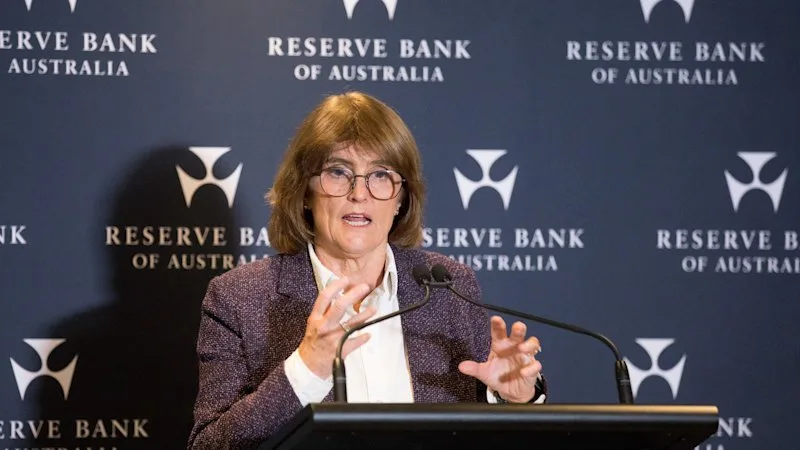
Reserve Bank governor Michele Bullock is one of the most powerful people in the country, facing intense scrutiny from politicians, journalists and everyday Australians. She is also one of the last people most would suspect as being in need of a mentor – least of all one who is newer to the bank.
This month, the boss of the institution in charge of setting the country’s interest rates revealed she had a “reverse mentor”: a more junior employee given a role traditionally reserved for those more senior in their careers.
Asked during a press conference about how she was using AI in her work, Bullock said she was learning how to use the technology from a younger employee.
“I’m not great with [AI],” she said. “I have a reverse mentor who’s helping me.”
A spokesperson for the Reserve Bank said it was piloting a reverse mentoring initiative for members of its executive committee.
“The governor has said she has found the experience valuable in building her understanding of how AI is being used and the opportunities and challenges it may present for organisations,” the spokesperson said. “The pilot gives senior leaders an opportunity to learn directly from colleagues with practical experience using these technologies.”
Bullock is not the only high-powered leader known to participate in reverse mentoring. The practice has been in use since at least 1999, when General Electric chief executive Jack Welch told executives to pair up with junior staff to learn about the internet.
Reverse mentoring is a way in which organisations are bridging generational gaps in understanding between employees and improving the breadth of skills and perspectives among staff – including keeping more senior workers up to date with emerging technologies and practices.
Big four professional services firm KPMG had the first cohort of its reverse mentoring program begin in May this year. About 30 partners in the tax division partnered with reverse mentors, who they meet at least twice a month over three months.
Linda Aulbach, a manager in AI and digital solutions at KPMG, had no tax knowledge when she joined the firm last year, having mostly worked in academia and tech start-ups.
So when she met KPMG global mobility partner Jackie Shelton for the first time, Aulbach said she was a bit nervous.
“Meeting a partner is obviously a bit nerve-racking,” she said. “I didn’t have a proper presentation or agenda that I had to walk through, and I remember wondering how I was meant to fill up 30 minutes.”
But the meeting and conversation about AI unfolded very naturally, said the duo, who have been catching up weekly for the past two months.
“Linda books a room, and we usually have a 30-minute or one-hour session, which generally goes over time because I have so many questions,” Shelton said.
5News aggregated this summary from the outlet’s public feed. The full article, with all the context, is on www.brisbanetimes.com.au — the content belongs to Brisbane Times.