The possible cost of Australia's stronger-than-expected growth
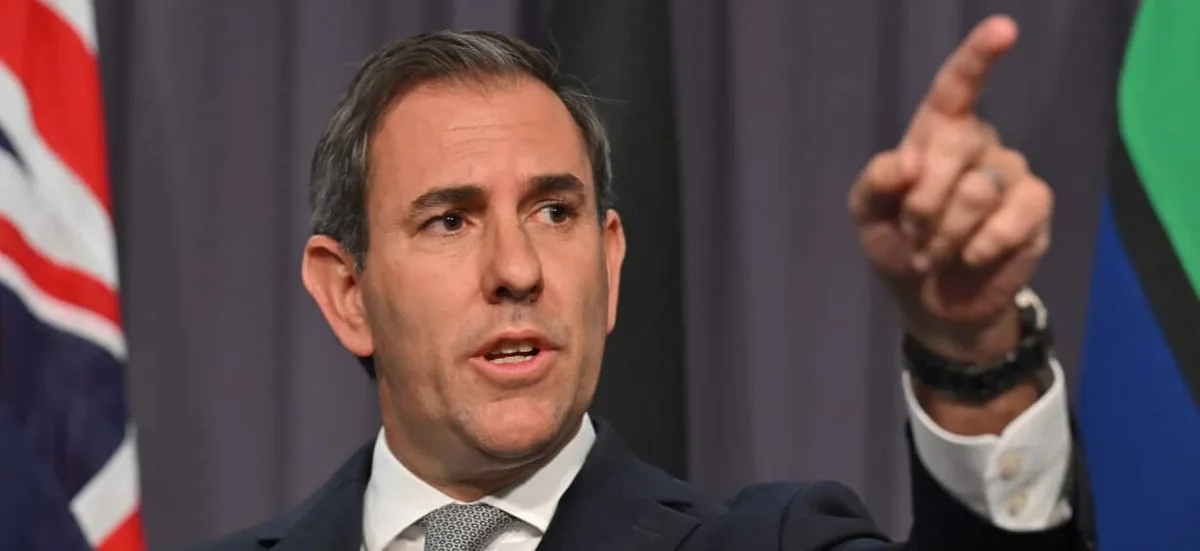
Australia's economy is "resilient and robust", Treasurer Jim Chalmers says, after fresh data showed stronger growth, though the figures may also add to pressure on the Reserve Bank of Australia (RBA) to raise interest rates again.
Australia's gross domestic product (GDP) grew by 2.1 per cent — a sign of increased economic activity — in the last financial year, the Australian Bureau of Statistics (ABS) reported on Wednesday.
A growing GDP suggests more business activity and can lead to more jobs being created as demand for goods and services rises.
"Growth is as strong, if not stronger, than every major advanced economy," he said in a video posted to social media.
Your trusted source for staying up-to-date with the world around you. Get free daily news updates and analysis, straight to your inbox.
But increases in spending can also mean demand for goods outpaces supply, leading to price increases and contributing to inflation.
The hot GDP result could therefore add more pressure on the Reserve Bank of Australia (RBA) to raise interest rates again as it struggles to close the gap between supply and demand.
Australia's cash rate target is currently 4.35 per cent following three rate hikes this year.
Despite the impact of higher interest rates and the United States-Iran war, GDP growth accelerated on a quarterly basis from 0.3 per cent in March.
While the 2.1 per cent annual growth rate is faster than the RBA's assumed speed limit of 2 per cent, it was a subdued result by historical standards, as households continued to behave cautiously, ABS head of national accounts Grace Kim said.
"While increased spending and business investment occurred in pockets of the economy, imports supported much of the growth, moderating its contribution to overall GDP growth," she said.
Imports of goods rose 2.4 per cent, driven by increased purchases of cars and planes.
Meanwhile, services imports fell 4.9 per cent as Australians' travel plans were disrupted by war in the Middle East.
"The number of Australians travelling overseas for the northern hemisphere summer fell for the first time since the COVID-19 pandemic, significantly reducing international travel expenditure," Kim said.
5News aggregated this summary from the outlet’s public feed. The full article, with all the context, is on www.sbs.com.au — the content belongs to SBS News - Latest.