'Hawkish' RBA minutes reveal rate rise still an option
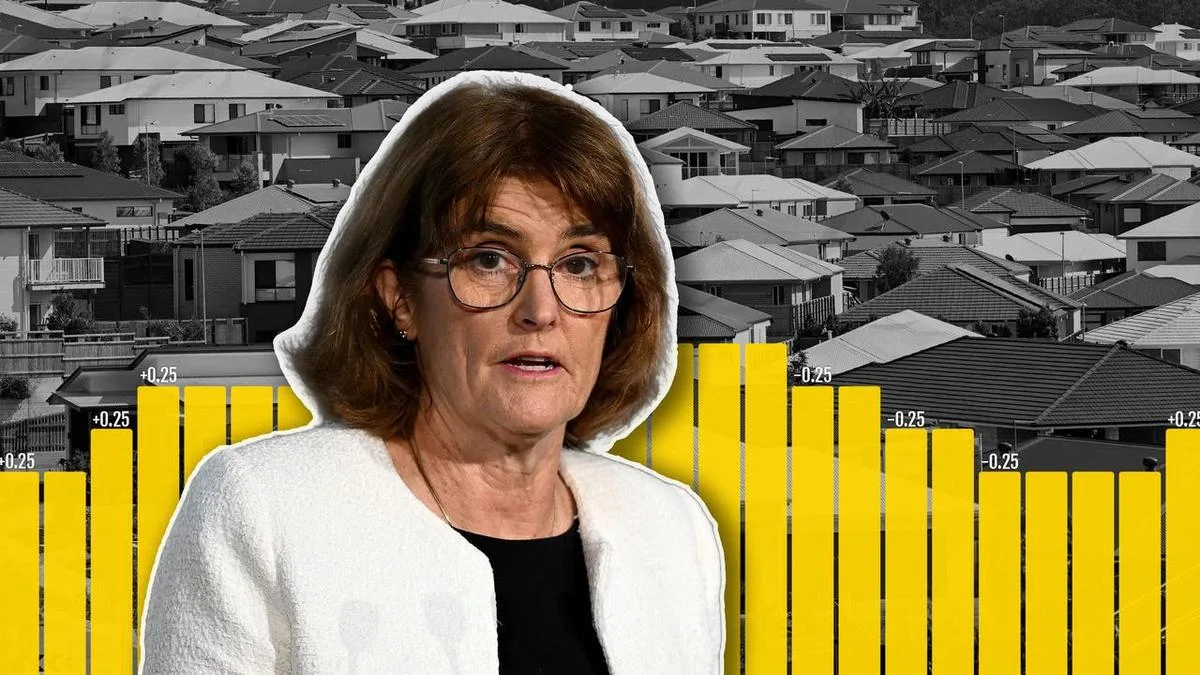
Members of the Reserve Bank's rate-setting board considered hiking interest rates to pre-emptively ward off against a rise in inflation if the Middle East conflict drags on or the AI boom is larger than anticipated.
The RBA board also fretted over the risks to inflation from a slower pick-up in productivity growth than expected, higher pass-through of business cost pressures to consumers or a more resilient domestic economy, minutes from the August meeting showed on Tuesday.
The board decided to leave the cash rate unchanged at 4.35 per cent at the meeting, noting inflation was lower than forecast and the jobs market was softening faster than expected.
But the read-out showed another rate rise remained firmly on the central bank's mind.
"Several members judged that it was quite possible that the upside risks to the inflation forecast would crystallise, requiring some further tightening," the minutes said.
"Members noted that if the risks around the inflation forecast were judged to be significantly skewed to the upside, it may be appropriate to mitigate those risks somewhat by tightening monetary policy pre-emptively."
ANZ senior rates strategist Jack Chambers said the minutes read slightly hawkish, with more focus on the upside inflation risks and less emphasis on activity slowdown.
The board noted financial conditions were somewhat restrictive and the housing market slowdown was sharper than expected.
"On balance then, it is clear that the monetary policy board retains a hawkish lean and will be sensitive to upside surprises in inflation or if activity shows signs of re-accelerating," Mr Chambers said.
"We don't think there will be enough new information for these risks to manifest by the September meeting.
"But the November meeting remains at least a risk for a hike, even if it is not our expectation."
Members decided it was appropriate to stay on hold and wait for further data on inflation, the labour market and GDP figures, as well as more information on the housing market downturn and the Middle East conflict, according to the minutes.
Mr Chambers said July inflation data would be an important early test ahead of November's meeting.
Despite falling house prices and higher borrowing costs, the RBA was relatively unconcerned about financial stability risks.
5News aggregated this summary from the outlet’s public feed. The full article, with all the context, is on www.perthnow.com.au — the content belongs to PerthNow.