Ukraine’s latest battlefield drone is about to enter the kill zone – to fly out the wounded
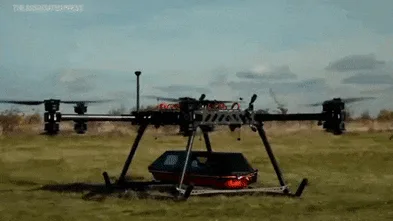
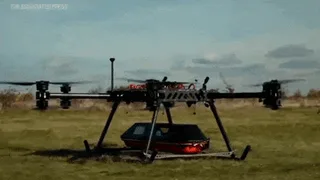
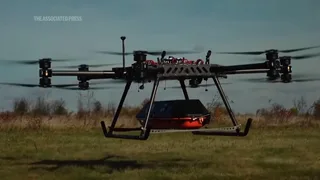
A secret location in Ukraine: Six propellers whir to life, lifting a drone above a field. A weighted stretcher secured to its frame simulates a wounded soldier in body armour.
Far from the front line, the demonstration offers a glimpse of a far more dangerous mission: flying into a battlefield where enemy drones and artillery can leave wounded troops stranded for weeks or months, then carrying them to safety without an evacuation crew.
Some of the more harrowing footage to emerge from this war has been drone tracking and striking fallen soldiers with nowhere to flee.
AP was granted exclusive access to a field demonstration of the drone. This week, StarGate was handed over to a combat brigade for evaluation under front-line conditions.
The aerial medical evacuation drone was developed over the past year by Ukrainian defence technology company SkyFall. If it proves reliable in combat, it could transform battlefield evacuations, reaching soldiers in places that ground vehicles cannot access and potentially saving those so severely wounded that hours of waiting could cost them their lives.
“The idea came directly from the front line, from the trenches,” said SkyFall’s spokesperson, who asked not to be named because of the security risks facing Ukrainian military technology personnel. He spoke wearing a balaclava and AP was not permitted to disclose the testing location.
In some sectors, the so-called kill zone – the area under constant threat from drones and artillery – stretches 10 to 15 kilometres or further. StarGate has a one-way range of 15 kilometres, potentially allowing it to reach critically wounded soldiers trapped deep inside the kill zone.
The idea grew out of a military request, the spokesperson said. Last year, “Flint”, commander of the 475th Separate Assault Regiment known as Code 9.2, approached SkyFall’s founder about developing a safer way to evacuate wounded soldiers from hard-to-reach positions.
For troops in Code 9.2, reaching a front-line position to retrieve the wounded can mean travelling on foot through areas where vehicles are vulnerable to drones. Unmanned ground vehicles have taken on a growing role in evacuating casualties and delivering supplies, but they struggle through mud, craters and shattered roads. Rivers, mines and drones can stop them altogether.
Ground robots typically take two to three hours to reach a position, depending on distance, road conditions and the threat from above, said “KVN”, a commander with Code 9.2.
“Covering 10 kilometres in minutes would be a drastic change on the front line,” he said.
Evacuations continue regularly in his unit’s area, he said, but it is not always possible to retrieve a wounded soldier on the same day. For someone with severe injuries, the wait can be critical.
Both Flint and KVN were identified only by their call signs in line with Ukrainian military protocol.
SkyFall emerged after Russia’s full-scale invasion in 2022, and has grown into a Ukrainian drone manufacturer. Its Vampire heavy-lift drone, known to Russian forces as “Baba Yaga”, is used by Ukrainian troops for battlefield missions.
5News aggregated this summary from the outlet’s public feed. The full article, with all the context, is on www.smh.com.au — the content belongs to Sydney Morning Herald - World.