Climate change could push many Melbourne women out of work. This app aims to keep them in it
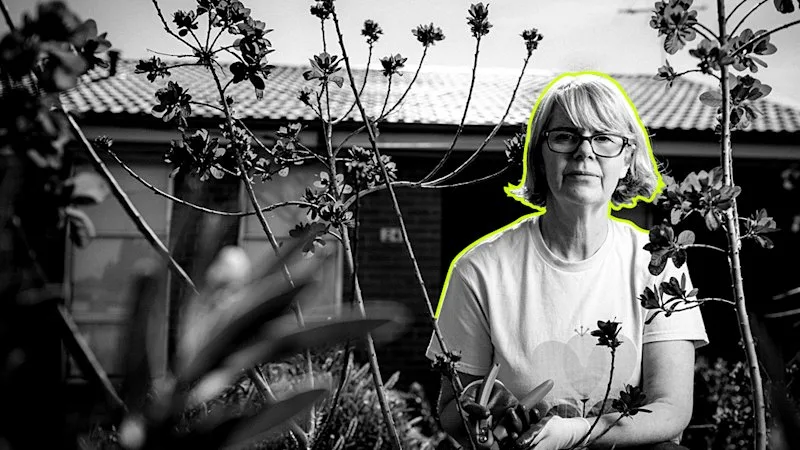
She taps her phone screen to turn it off, before sitting up and stretching muscles still tired from the day before.
After saying good morning to her teenage son, she walks out to her carport, where she hauls a lawn mower, whipper snipper, leaf blower and hand tools into the back of her little green Mazda 2.
Peering above the pile of metal in her rearview mirror, she backs out of her driveway, and sets off to create lush sanctuaries in Melbourne’s neighbourhoods of concrete and brick.
Tomorrow, she’ll do it all again – but as the city heats up , her days are getting earlier.
“I’ll try to get out and get all my work done in summer by midday,” says Nicholson, owner of gardening business Petite Gardens. “It’s a killer in the afternoon.
“Once the weather starts to really crank up – sometimes it’s earlier in the year, sometimes it’s later – it does affect the business.”
Gender and urban design expert Nicole Kalms says that, as temperatures rise with climate change, cities including Melbourne will shift their work, commerce and recreation to the nighttime economy .
Prioritising green space is a focus for Kalms, but she knows the shift to an after-dark economy also comes with an unintended cost for women. If women don’t feel safe out at night and in unlit areas, will they be excluded?
The topic of healthy places and people is one of the key pillars of Melbourne Assembly , a civic forum The Age is hosting in October, bringing together the world’s brightest minds, industry leaders, key decision-makers and the community to shape the city’s future.
Nicholson says that, if she didn’t have the agency to work around the heat, “I certainly wouldn’t do the work I’m doing”. “I’m not averse to being out there and working hard, and being sweaty and all the rest of it,” she says.
“But I will also not work in really extreme conditions because honestly, my clients don’t expect me to either.”
Escaping the heat isn’t just a matter of comfort. It’s a matter of health.
And, as the city looks to its future ahead of Melbourne Assembly, tree canopy experts are keeping a dogged watch over the state government’s plan to densify suburban transport hubs through designated “ activity centres ”.
Tree canopy has a direct correlation with all-cause mortality, cardiovascular disease mortality, and fatal or non-fatal heart attacks, an Australian study has found .
5News aggregated this summary from the outlet’s public feed. The full article, with all the context, is on www.watoday.com.au — the content belongs to WAtoday.