‘Serious warning’ for Aussie wildlife as suspected bird flu case detected in red fox in Adelaide
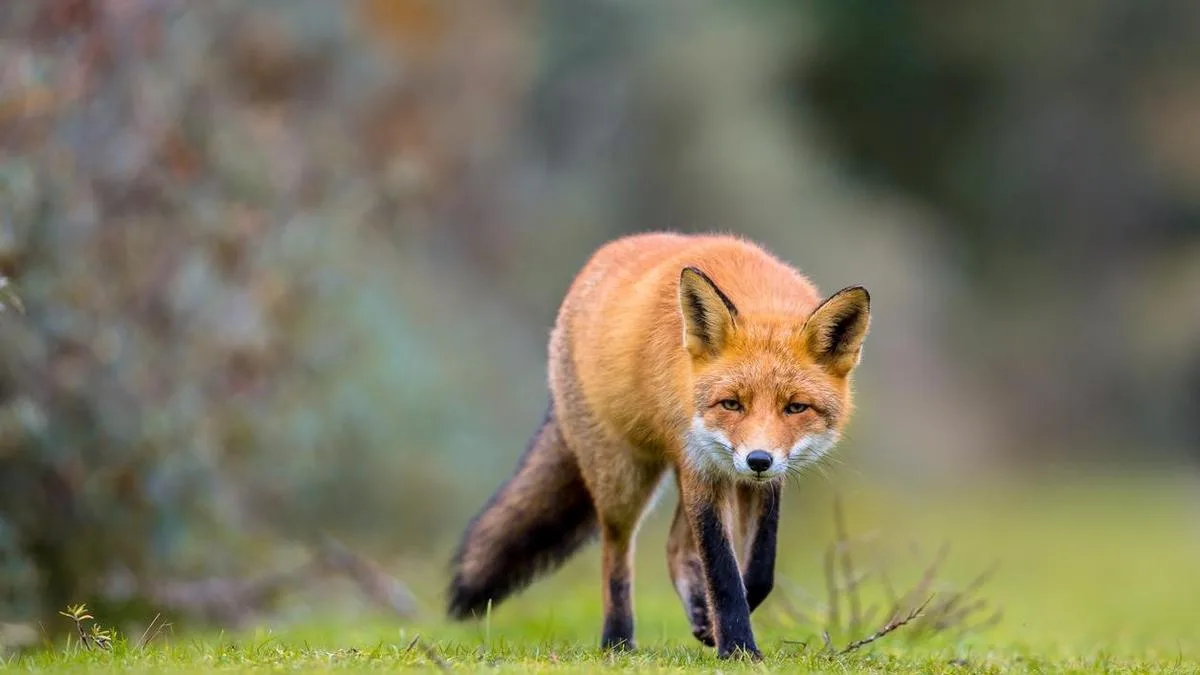
A suspected case of the deadly new bird flu strain has been detected in another mammal in South Australia - prompting a dire warning from wildlife experts for another iconic Australian animal.
Following the first confirmed case in a seal, authorities in South Australia now suspect that an urban red fox has contracted H5N1 bird flu.
Found in Adelaide, the fox is one of five new suspected cases reported in SA today, although the other four were all in bird species.
Samples from each of the animals are now being sent to the national testing facility in Geelong for confirmation.
The other samples were taking from an Australian raven in Robe, a little penguin in Southend, a pacific gull on Kangaroo Island and a crested tern at Coonalpyn.
However, it is the fox which has caused the most concern, with wildlife experts warning it poses a stern risk to other scavenging animals.
Rob Brewster, rewilding manager at the Invasive Species Council, warned this could mean Tasmanian devils may also find themselves in the line of fire.
“Finding bird flu in a fox is a serious warning about what this virus could mean for Australia’s scavenging animals,” he said.
“Quolls and Tasmanian devils will all scavenge dead wildlife, potentially putting them directly in the path of this virus as bird deaths increase.
“The problem on mainland Australia is we don’t have many native scavengers left.”
He warned that foxes and feral cats were likely to become “superspreaders”, calling for their numbers to be controlled.
“We cannot stop H5 bird flu moving through wild populations, but governments can control many of the other pressures wildlife is facing,” he added.
The warnings come as bird flu continues to spread across Australia, now affecting several native birds as well as migratory ones.
There has been more than 300 “infection events” recorded nationwide, with South Australia having the most confirmed, with 195.
5News aggregated this summary from the outlet’s public feed. The full article, with all the context, is on www.perthnow.com.au — the content belongs to PerthNow.