Manifesto of Silences reimagines opera from a Deaf perspective, as a space to process trauma communally
Biko Shaka The harmful effects of sign language deprivation has been a recurring theme throughout Deaf art, history, politics and culture.
Manifesto of Silences , a Deaf-led theatrical work created by Irene Holub, is the latest Australian project to pick up this thread.
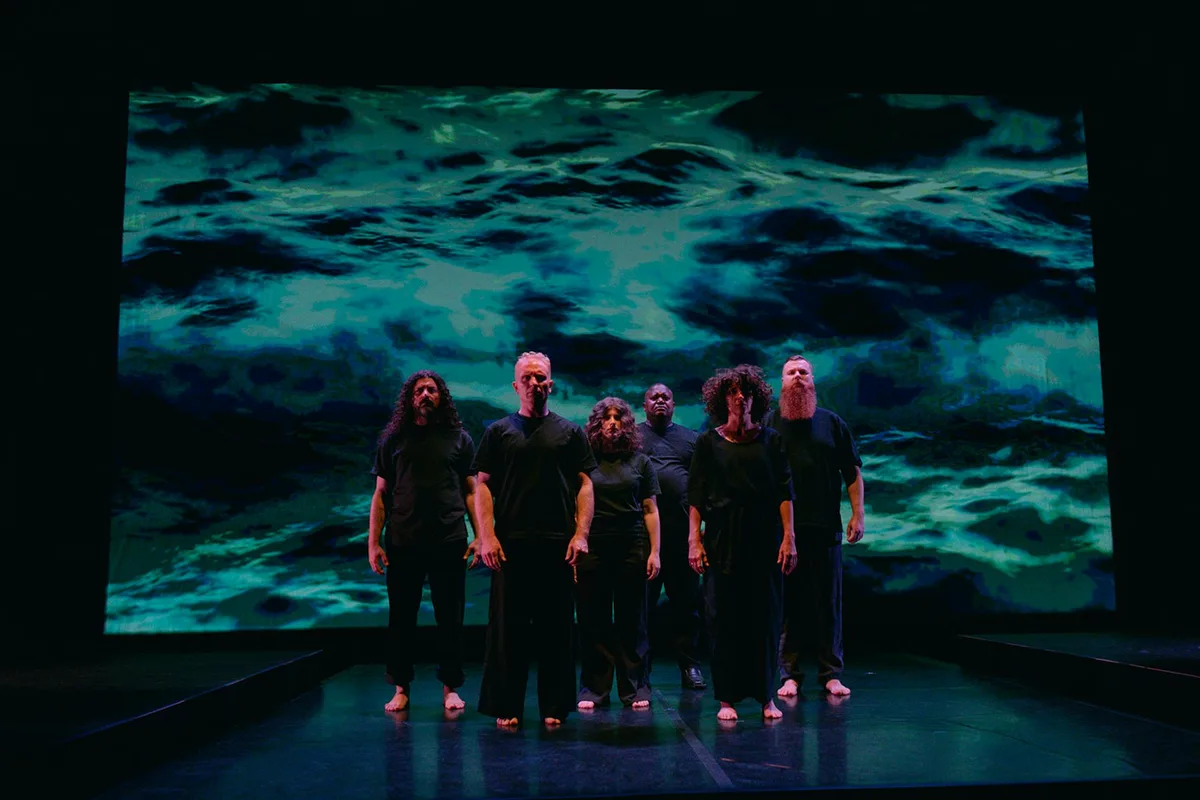
Premiering at Arts House as part of Melbourne Fringe, Manifesto of Silences describes itself as a “reimagining of opera”, performed by six Deaf performers using sign languages and physical performance.
Revisiting the Milan Conference The narrative revolves around the tragic outcomes of the Second International Congress on the Education of the Deaf in Milan, in 1880.
This event, better known as the Milan Conference, endorsed oralism (teaching profoundly Deaf people to communicate through oral language such as lip reading and speech) over sign language, accelerating the suppression of Deaf languages around the world.
Manifesto of Silences also explores the conflicting values of prominent historical pro-signing and pro-oralist figures, including Edward Gallaudet, Alexander Graham Bell and Charles Michel de l’ Epee.
Franco Spadea as Charles-Michel de l'Épée, an 18th-century French Catholic priest and educator who advocated for sign language.
Biko Shaka As a Deaf artist, I have created my own Deaf-centric performances.
Within the Deaf community, I wonder if by constantly revisiting traumatic chapters from our history, we are stuck reliving our injustice? Or are we able to reclaim our narrative? What is the value of repeatedly depicting, as Manifesto of Silences purports to , “the long shadow of history, where decisions were made upon the lives of Deaf people, impacting their identity and language”? Why are Deaf artists and audiences, including myself, so attracted to the stories that centre on systems and beliefs we want to dismantle? The long shadow of history In the foyer of Arts House ahead of Manifesto of Silences’ premiere, the atmosphere was buzzing with excitement.
I saw old friends, new friends, colleagues and familiar faces communicating freely in Auslan – Australian Sign Language.
Looking around the room, I was reminded that using sign language is an ongoing, powerful act of resistance against oralism and audism (prejudice based on the belief that hearing is superior to deafness).
I had hearing loss from birth, which continues to decline, yet I did not acquire Auslan until adulthood.
I communicated orally until I started learning Auslan at the age of 18.
I once asked my mum why I never grew up bilingually, learning both English and Auslan.
5News aggregated this summary from the outlet’s public feed. The full article, with all the context, is on theconversation.com — the content belongs to The Conversation Australia.