Trump’s Venezuela oil deal has seismic potential, but it’s an idea not a reality
Washington: As far as announcements go, it was pretty low-key. Word came from US President Donald Trump’s Truth Social account just before 7pm on Friday, a time slot typically reserved for bad news you want to bury.
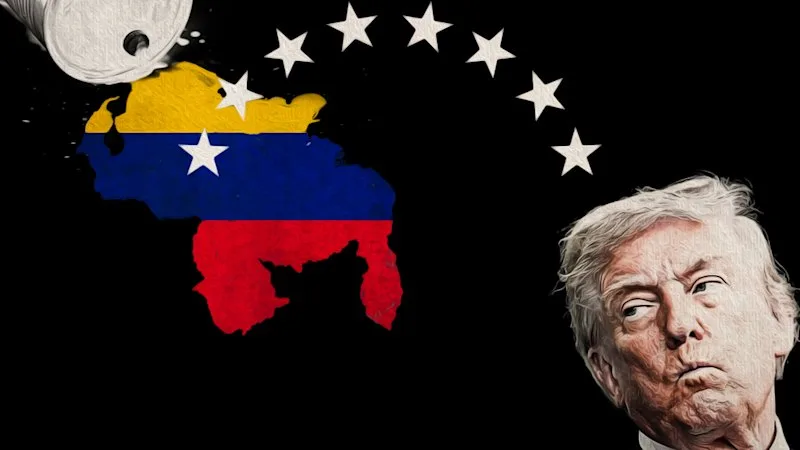
Instead, Trump unveiled an unprecedented deal for the US to take control of 65 billion barrels of Venezuelan oil, in what he billed as the largest such agreement in world history.
“This Historic Transaction MORE THAN DOUBLES American Oil Reserves, greatly increases our Oil Supply, and will substantially lower Gas Prices for all Americans, long into the future, while helping to continue to set Venezuela on a course toward Tremendous Success and Great Prosperity,” he said.
There have been no documents to accompany the announcement, and few details – though Venezuela’s interim president, Delcy Rodriguez, provided some information.
She said the deal called for the development of 17 strategic oil fields, with proven potential of 65 billion barrels. It would involve an investment of $US100 billion ($140 billion) and it would yield “more than $US209 billion” in tax revenue for Venezuela, she said.
With Trump, we are used to brash overselling of achievements and deals. But in this case, the upside for both nations has the capacity to be significant – if it ever comes to fruition.
Venezuela is in a parlous state and it was so for many years under the dictatorial socialist regime of Nicolás Maduro, who now sits in a New York jail cell on trial for drug trafficking (he and his wife have pleaded not guilty).
Its ability to harvest the world’s largest proven oil reserves, some 303 billion barrels, was badly compromised, though things have started to turn around since Maduro was captured by US forces and Rodriguez was installed.
The beneficiary has been the United States. At a time when it has had to draw down its Strategic Petroleum Reserves to compensate for the supply shock caused by the war in Iran, the US has dramatically increased oil imports from Venezuela.
In December, before Maduro was captured, the US imported 4.26 million barrels of Venezuelan crude oil and petroleum products. By May, that figure had risen to 16.85 million. Venezuela is now the US’s second-largest overseas source of oil, behind only Canada.
But to go beyond that will require significant investment from American oil companies, something they have thus far been reluctant to entertain. However, Chevron, the second-largest US oil firm and the only one with a sizeable presence in Venezuela, is in talks to expand its operations.
Trump’s deal aims to begin this process. A US official said it gave the US 55 per cent of the effective output from a new private joint venture, split between holding company equity and at-cost offtake for the federal government.
5News aggregated this summary from the outlet’s public feed. The full article, with all the context, is on www.brisbanetimes.com.au — the content belongs to Brisbane Times.