Kangaroo crash prevention tech “possible”
India has one-third of the world’s cattle – and they cause havoc on the roads of the world’s most populous nation.
Some estimates put the total number of bovine animals – cows, bulls and buffalo – in India at 300 million. And while not all of them are hanging out on the highways, it’s believed these animals cause thousands of human deaths on the roads in India every year.
Mahindra – India’s biggest nationally owned car brand – made a system that works to help prevent cow crashes by way of expanding the capabilities of the vehicle’s ADAS tech.
With a suite of radars and a vision camera, vehicles like the BE 6 electric crossover, the XEV 9e electric SUV, and the XUV7XO petrol SUV have the potential to detect a cow, warn the driver, and even jam on the brakes to avoid an impact at speeds above 10km/h.
🚘 Don’t just read about your next car. Find a great deal with CarExpert.
So long as the cow is more than 100cm tall and 50cm wide, the system should pick it up.
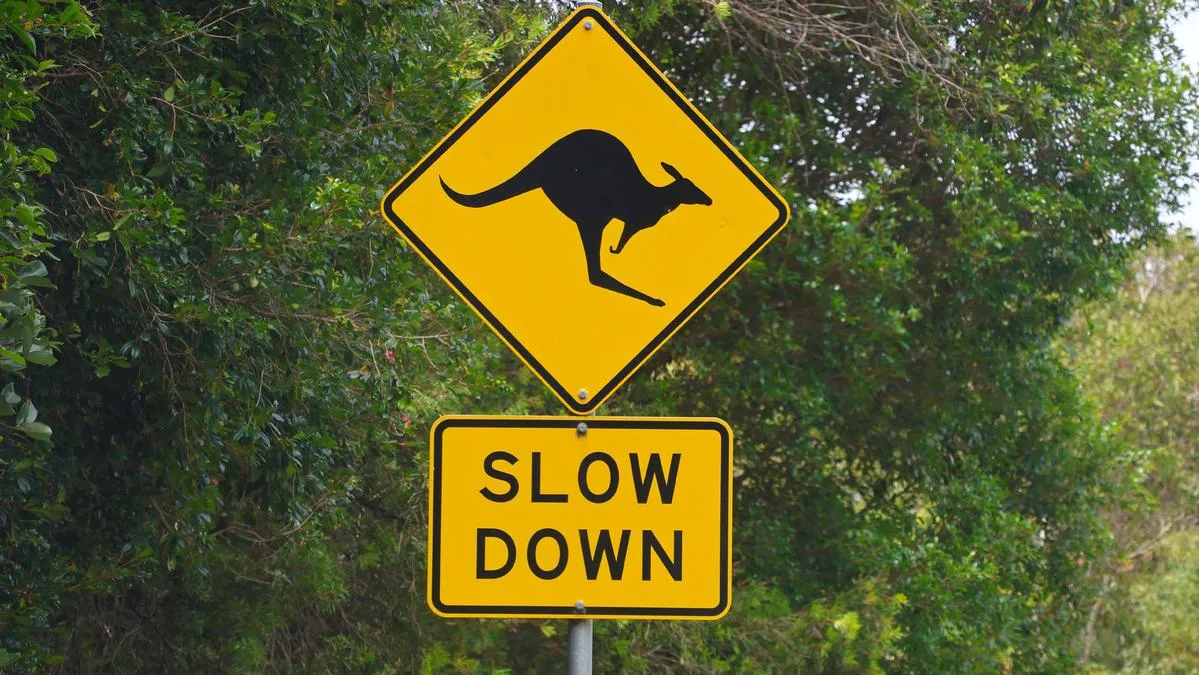
That got us to thinking – could this work for other animals in places like Australia?
The man who headed the project at Mahindra, Binoy Paul, said that it’s possible, but indicated that it would take a lot of work.
Mr Paul indicated that if the software could work for cows, there’s no limitation that would mean it couldn’t work for faster-moving and less-predictable animals like kangaroos.
The cow detection system took three years of development and fine tuning, and it’s safe to say that expanding the operating range to predict and prevent crashes with kangaroos or other problematic road-strike wildlife such as wombats and wallabies would also require significant time and investment.
But it could also end up saving lives – both of the creatures and of Aussie drivers – not to mention the costs involved for vehicle insurance and repairs.
According to data from the NRMA based on more than 15,000 animal collision claims in Australia from 2025, 84 per cent were related to kangaroos, with winter being the peak period for these accidents.
In most instances, drivers that attempt to take action by swerving to avoid an impact have the most serious consequences and likewise the highest human fatality rate.
Of course, this isn’t a new field of experimentation for car brands and safety systems.
5News aggregated this summary from the outlet’s public feed. The full article, with all the context, is on 7news.com.au — the content belongs to 7NEWS Australia.