Are girls getting their periods earlier? And can parents do anything about it?
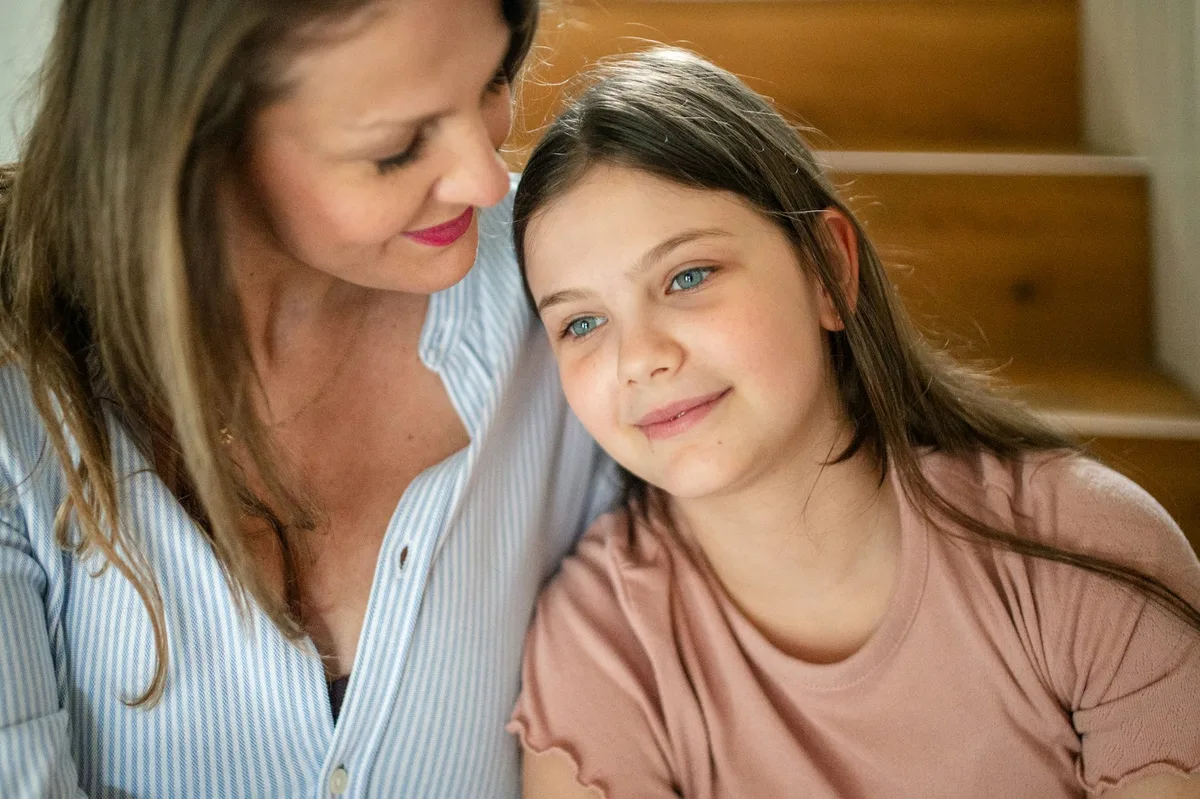
Halfpoint Images/Getty Images Do you remember how old you were when you got your first period? And whether it was considered early, late or about average? Some parents are reportedly overhauling lunchboxes, shampoos and doing all they can to attempt to delay their child’s periods, so they don’t “grow up too early”.
But are periods actually getting earlier? And is this anything to worry about? Let’s look at what the science says – and whether parents can actually impact the timing.
When do periods start and has this changed? Girls begin puberty between the age of eight and 13 years.
Breast development, known as thelarche, is the first sign.
Menarche, the first menstrual period, follows 1.5 to three years later.
The evidence suggests girls are entering puberty a little earlier.
A global review found thelarche began, on average, about three months earlier per decade from 1977 (10.5 years) to 2013 (9.6 years) but this varied across the world.
In Australia, the average age of menarche is about 12.9, but it’s unclear how this has changed over time.
In the United States, the average age of menarche fell from 12.5 years among those born from 1950 to 1969, to 11.9 years among those born from 2000 to 2005.
But the researchers asked the women to remember when their periods began.
This risks inaccurate recollection, or recall bias , if participants can’t remember their age when they got their first period.
The typical range for periods to start is nine to 15 years and depends on factors such as ethnicity .
What if puberty starts earlier? Precocious puberty means breast or pubic hair development before age eight in girls, not simply an early period.
About 3% of children show signs before age eight.
5News aggregated this summary from the outlet’s public feed. The full article, with all the context, is on theconversation.com — the content belongs to The Conversation Australia.