Everything you need to know about egg freezing as average age of motherhood reaches record high
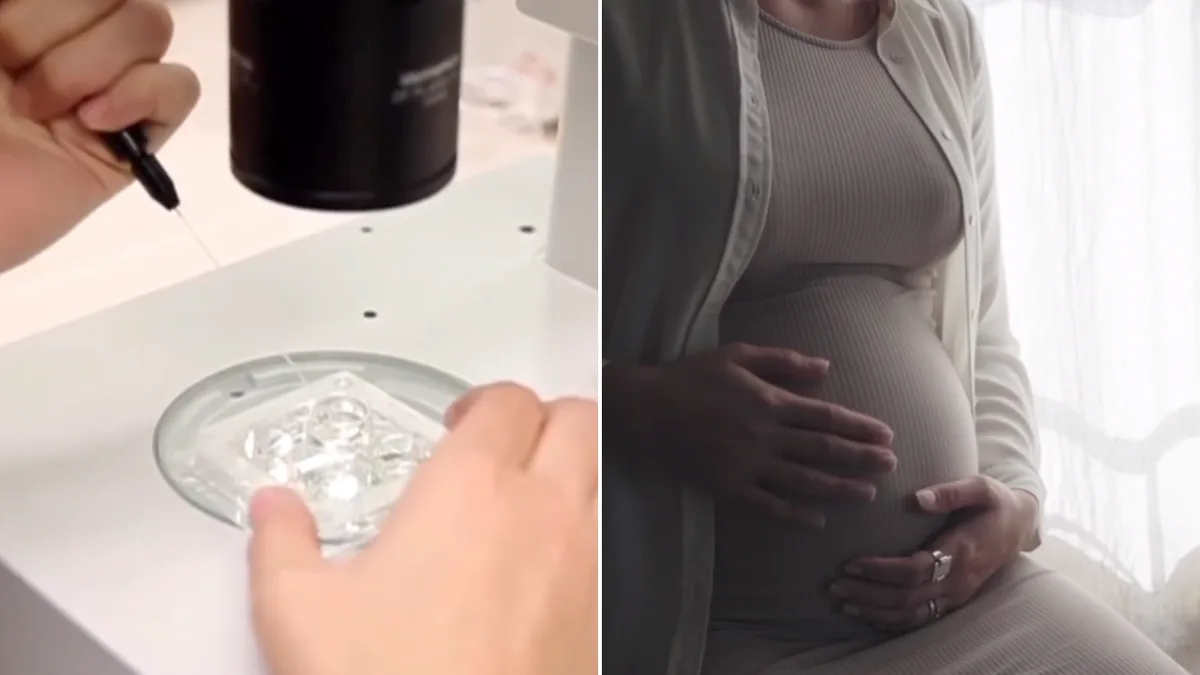
Australian women are becoming mothers later than ever, prompting more to freeze their eggs — but a leading specialist has warned timing remains critical to future success.
The median age of mothers has reached a record 32 years, while the number of women having babies in their early 40s has more than doubled over the past three decades.
WATCH THE VIDEO ABOVE: Rise in women using frozen eggs as motherhood age hits record high
At the same time, new national IVF data have revealed a growing number of women are using eggs they froze years earlier.
But what does the process involve, when should women consider it, and what are the chances it will ultimately result in a baby?
Fertility specialist Dr Joe Sgroi told Sunrise the decision was rarely shaped by a single factor.
“There’s a range of complex issues, namely social and also economic issues,” he said.
“Women are choosing to stay and participate in the workforce for a lot longer but, of course, also trying to find a partner.
“I always say you contemplate pregnancy when you’re physically, financially, socially, emotionally and medically ready to do so.”
Sgroi said egg freezing allowed women to preserve younger eggs until they felt ready to try to become a mother.
Women considering the procedure are encouraged to seek advice tailored to their individual circumstances.
“The younger you are when you’re making a reproductive choice to elect to freeze your eggs, probably the better,” he said.
The likelihood of a future pregnancy depends heavily on a woman’s age when her eggs are collected, rather than her age when she returns to use them.
“We know that for a woman at the age of 35, we’re going to need to have around 20 eggs frozen to give it a 90 per cent chance of having a live birth,” Sgroi said.
5News aggregated this summary from the outlet’s public feed. The full article, with all the context, is on 7news.com.au — the content belongs to 7NEWS Australia.