OzAsia Festival to end after 20 years, in a huge blow for Asian-Australian art and culture
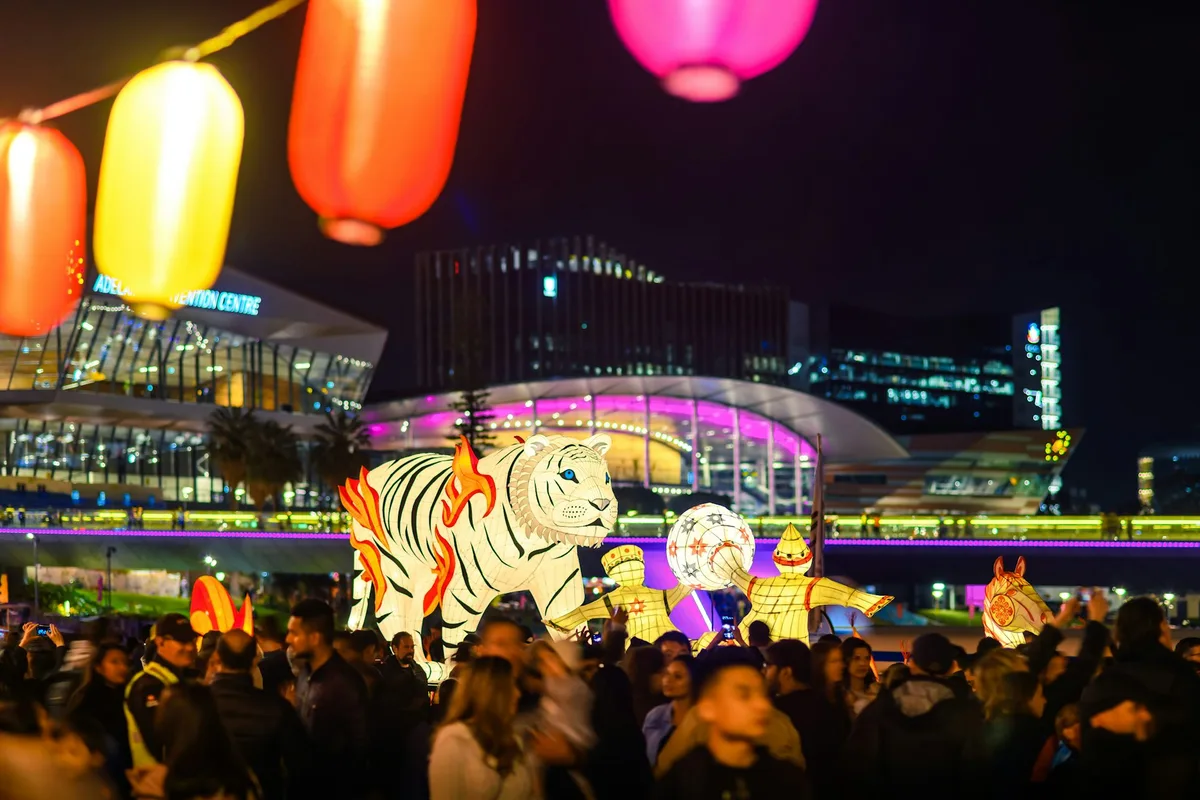
Getty Images Adelaide has spent decades building its identity as a “festival city”, yet 2026 will be the final OzAsia Festival after 20 years .
Since 2007, OzAsia has showcased Asian and Asian-Australian art, literature, music and public debate.
The festival’s presenter, Adelaide Festival Centre, says Asian voices will be programmed year-round from next year onward, while The Lucky Dumpling Market will continue to be held each spring.
Adelaide Festival Centre chief executive Kate Gould framed this as a strategic move: having a dedicated OzAsia Festival that’s about Asian arts doesn’t really represent the fact that Asian voices also want to see a year-round presence at the centre.
But it raises broader questions about the importance of cultural festivals to the fabric of a society, and what can be lost when they disappear.
Visibility matters More year-round arts programming is always welcome – but festivals serve a different purpose.
Their power comes from concentration.
For a limited period, people gather in the same place, cultural activity becomes highly visible, and everyday routines are interrupted.
Festival researchers call this liminality .
It can create communitas , a temporary sense of connection and belonging among people sharing an experience.
Research on festivals and liminality shows these experiences can continue to shape how people relate to others after returning to everyday life.
A festival focused on Asian and Asian-Australian art and culture matters even more right now, given the renewed social division around migration.
Anti-Asian racism was widely documented during the COVID pandemic.
And we have since seen a number of anti-immigration demonstrations held across major cities, including Adelaide.
5News aggregated this summary from the outlet’s public feed. The full article, with all the context, is on theconversation.com — the content belongs to The Conversation Australia.