Book Week is not just for big kids. How to engage babies and toddlers at storytime
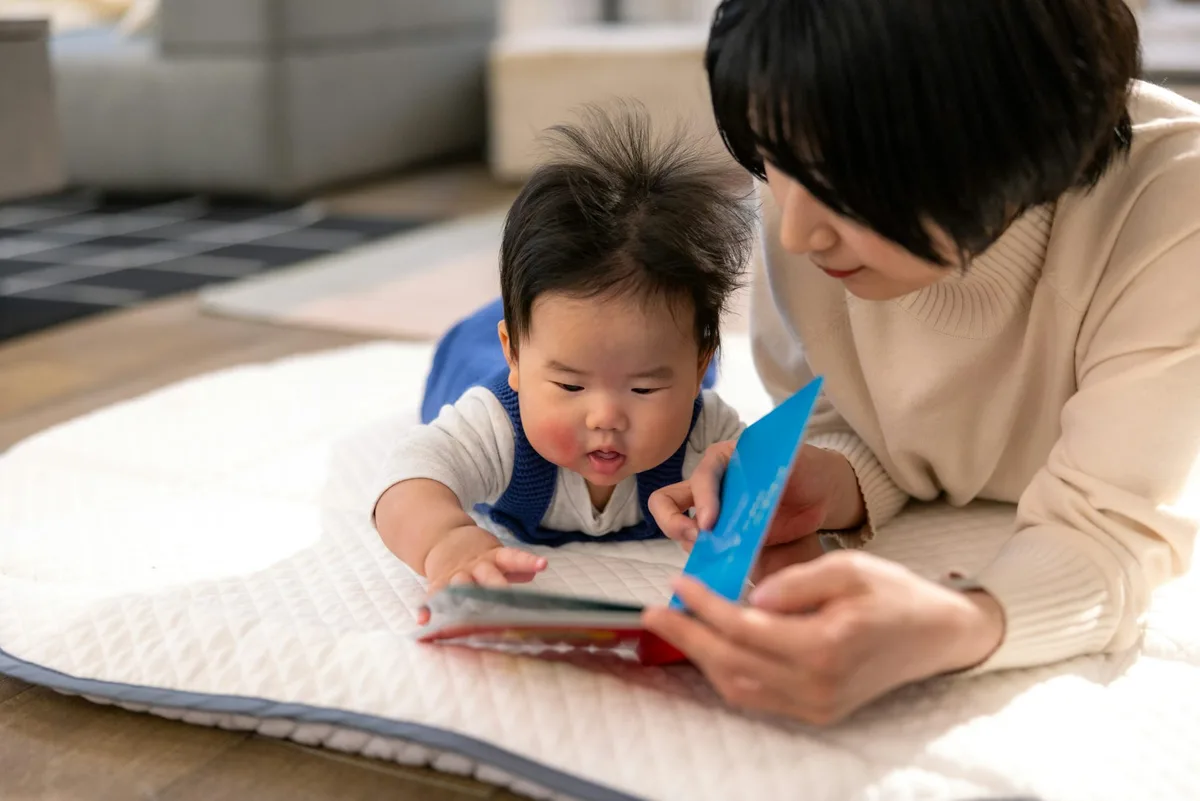
Satoshi-K/Getty Images Book Week is a great opportunity for parents and carers to inspire a love of reading in babies and toddlers.
But sometimes very young children aren’t very engaged when adults read to them.
They may become distracted and restless.
They can wriggle away, scrunch up the pages or seem more interested in putting the book in their mouth than listening to the story.
This can make reading to little kids seem like a pointless exercise.
Here’s how you can get the most out of storytime with babies and toddlers .
How long should storytime go for? Research suggests reading with children gives them a head start in developing their literacy, cognitive and numeracy skills.
Parents may wonder how long they need to read to children to see these benefits.
But they don’t need to carve out large chunks of time from their schedules.
A 2022 Australian study suggested babies who were read to for 11 or more minutes a day had stronger vocabulary skills by the time school started than those who were read to for 10 minutes or fewer each day.
How to engage babies? For babies aged one to two years, it helps to keep story time one-to-one, and centred on the baby’s interests and daily routines.
Parents can hold a baby’s attention by pointing to a picture and asking a related question such as: What’s that? That’s a puppy! Making connections between the meanings in the book and the baby’s own life can help them develop a greater understanding of the world.
Parents might say: There’s a puppy.
You have a puppy too! Babies communicate their positive feelings by moving towards the book, touching it, patting the pictures, smiling, laughing and making happy sounds.
5News aggregated this summary from the outlet’s public feed. The full article, with all the context, is on theconversation.com — the content belongs to The Conversation Australia.