Rental vacancy rates ease but expert warns housing supply crisis to worsen
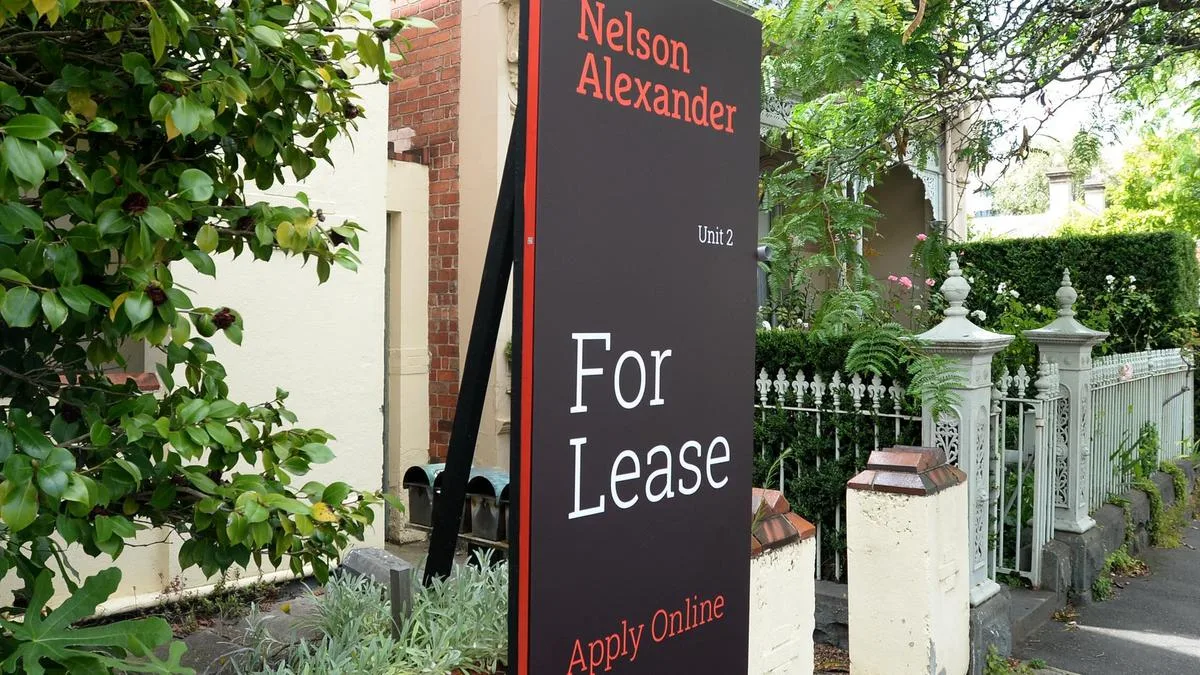
Rental vacancies surged to a four-year high in July, yet experts warn renters are still far from feeling any relief.
REA Group figures show the national vacancy rate grew by 0.2 per cent in July to reach its highest level since February 2022.
Even so, the national vacancy rate still only came in at 1.5 per cent, well below the 2.5 to 3 per cent considered to be a balanced market.
REA Group senior economist Anne Flaherty told NewsWire a jump in first-home buyer and investor activity helped elevate some of the rental market pressures.
“One of them might be that we saw an increase in first-home buyer activity particularly over the end of last year, so they may have left the rental market to become owner-occupiers,” she said.
“The other thing that we saw was a big increase in investor activity, particularly at the start of this year.
“If we look at the total number of new loans to investors over the last 12 months, it is actually at the highest level since the Australian Bureau of Statistics started reporting those figures in 2019.”
According to REA Group, across the capitals, rentals were up 0.2 per cent to 1.5 per cent in July.
Canberra had the highest vacancy rate in July at 1.67 per cent, also recording the biggest growth over the month.
This was followed by Melbourne and Sydney, while Darwin and Hobart remain the two tightest capital cities.
Ms Flaherty said despite the short-term improvement, buyer demand had fallen since the federal budget, which could hurt vacancy rates going forward.
As part of the budget changes, the previous 50 per cent capital gains taxes (CGT) discount has been scrapped for an inflation-based index model.
At the same time, negative gearing has been scrapped for those buying a property unless it is a new build.
“The question is whether that increase in the vacancy rate that we’ve seen in recent months continues or if it will reverse in the future,” Ms Flaherty said.
5News aggregated this summary from the outlet’s public feed. The full article, with all the context, is on www.perthnow.com.au — the content belongs to PerthNow.