Fuel price blowout piles pressure on Albanese for second excise cut
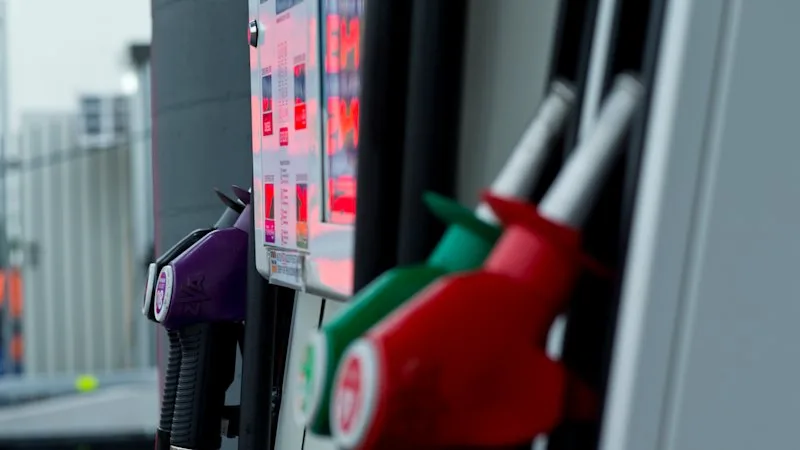
Australian fuel suppliers warn motorists could be heading for another petrol and diesel price shock after a critical Middle Eastern pipeline was forced offline, deepening the global oil crisis and piling pressure on the Albanese government to consider slashing the fuel excise yet again.
International oil prices rose back above $US100 a barrel last week for the first time since July and may climb higher following fresh attacks on major energy infrastructure by Yemen-based Houthi militants. Saudi Arabia on Friday said drone strikes forced it to shut down a 1200-kilometre crude pipeline it had been using to bypass the Strait of Hormuz.
The pipeline across the Arabian Peninsula has proven a critical lifeline for Saudi oil exports since the Iran war began, enabling millions of barrels of crude to avoid Iranian attacks in the Strait of Hormuz and be loaded onto tankers in the Red Sea so it can still reach global markets.
Australian fuel importers fear a sustained disruption to Saudi oil flows could have disastrous consequences, further crippling crude deliveries to the giant Asian oil refineries that deliver the bulk of Australia’s liquid fuel shipments.
Some local industry executives think the deteriorating situation may leave the government with little choice but to lower the 52.6¢-a-litre federal fuel excise for a second time this year to shield consumers from rising pump prices. “We could be almost back to the early days of the crisis,” said one industry figure, speaking on the condition of anonymity.
The higher cost of crude oil, the natural resource that’s refined into petrol and diesel, has already started flowing through to service stations across the country. The national average price of regular unleaded was $2.16 a litre on Monday, up 39 per cent since July, according to figures from the National Roads and Motorists Association. The average diesel price has risen even more sharply, up 48 per cent from $1.79 to $2.65 a litre.
Australian Institute of Petroleum chief executive Malcolm Roberts, representing major suppliers including Ampol, Viva Energy, BP and ExxonMobil, said his members were “watching closely to see what damage has been done” to the key Saudi pipeline.
“It’s too early to panic, even if the market is showing jitters,” Roberts said. “But it is a significant volume of crude, and if we don’t have access to that volume for months, it’s going to be quite challenging for global markets to offset that loss.”
NRMA spokesman Peter Khoury noted that today’s prices were still well below this year’s record highs of $2.53 a litre for unleaded and $3.19 for diesel – levels that previously prompted Canberra to temporarily halve the fuel excise in April before reinstating the full rate in August.
The government has not ruled out another reduction and appeared to be keeping an “open mind” on the matter, according to Khoury.
5News aggregated this summary from the outlet’s public feed. The full article, with all the context, is on www.watoday.com.au — the content belongs to WAtoday.