Young Australians are turning against gender equality and researchers say the problem goes well beyond the algorithm
A century ago, the idea of a woman building a career, making her own financial decisions, living on her own, or holding a position of authority over men was, for many, almost unthinkable.
Women had fought for and won the right to vote but equality in the workplace, in the home, and across public life was still a distant reality.
Over the decades that followed, generation after generation pushed those boundaries further.
Women entered universities and professions in greater numbers, laws changed and attitudes shifted.
The expectation that a woman’s place was in the home was challenged, and it seemed the only path was forward.
But new research from the University of Melbourne is challenging that assumption, revealing a troubling concentration of hostile attitudes towards women among young Australians.
Almost one in three teenage boys surveyed believed efforts to give women equal opportunities have gone too far.
And while the findings have inevitably turned attention towards social media and the growing influence of the so-called “manosphere”, researchers say the problem is far more complicated than that.
The internet may be amplifying these beliefs, but it did not create them.
It would be easy to look at the rise of the so-called “manosphere” and blame the internet.
The term refers to a loose collection of online communities, influencers and forums focused on men’s issues, masculinity and relationships, with some corners promoting anti-feminist and openly misogynistic views.
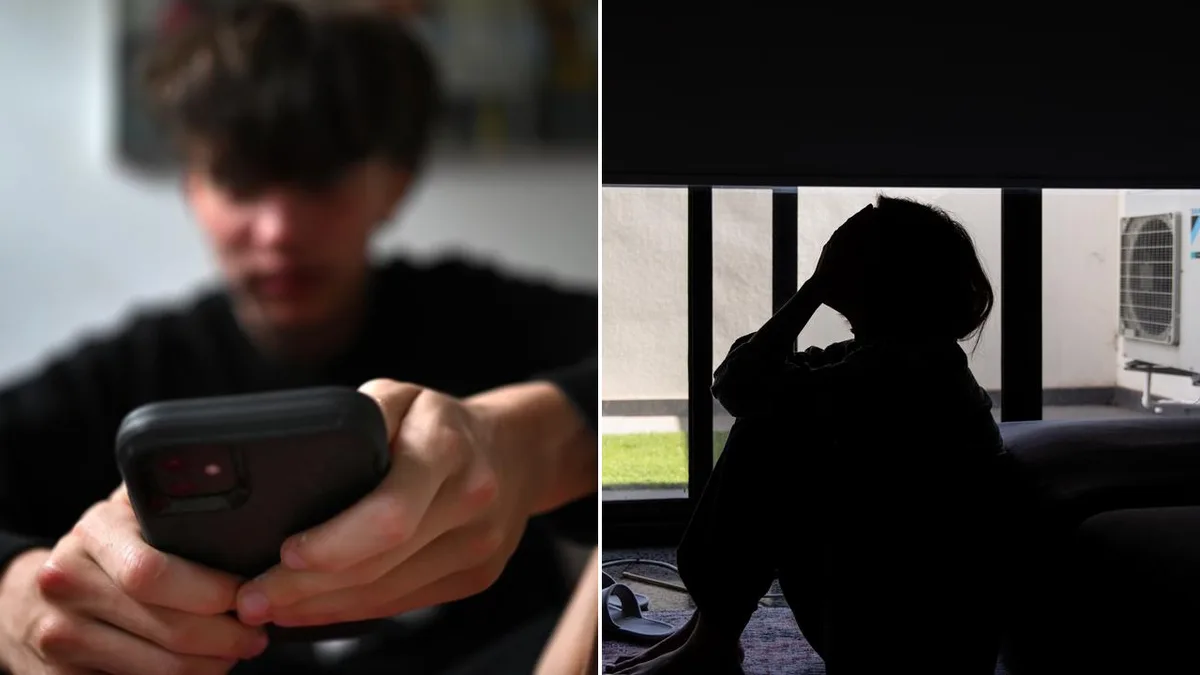
Young people are spending more time online than ever, with social media platforms serving up a seemingly endless stream of content about relationships, masculinity, feminism and gender.
The University of Melbourne research found a direct relationship between some online content and the likelihood of holding harmful gender attitudes, pointing to the role of online communities and recommendation systems in shaping what young people see.
But Dr Sara Meger, one of the study’s authors, said the internet is better understood as an amplifier than the source of the problem.
5News aggregated this summary from the outlet’s public feed. The full article, with all the context, is on 7news.com.au — the content belongs to 7NEWS Australia.