Median rental unaffordable for Australians on $130,000
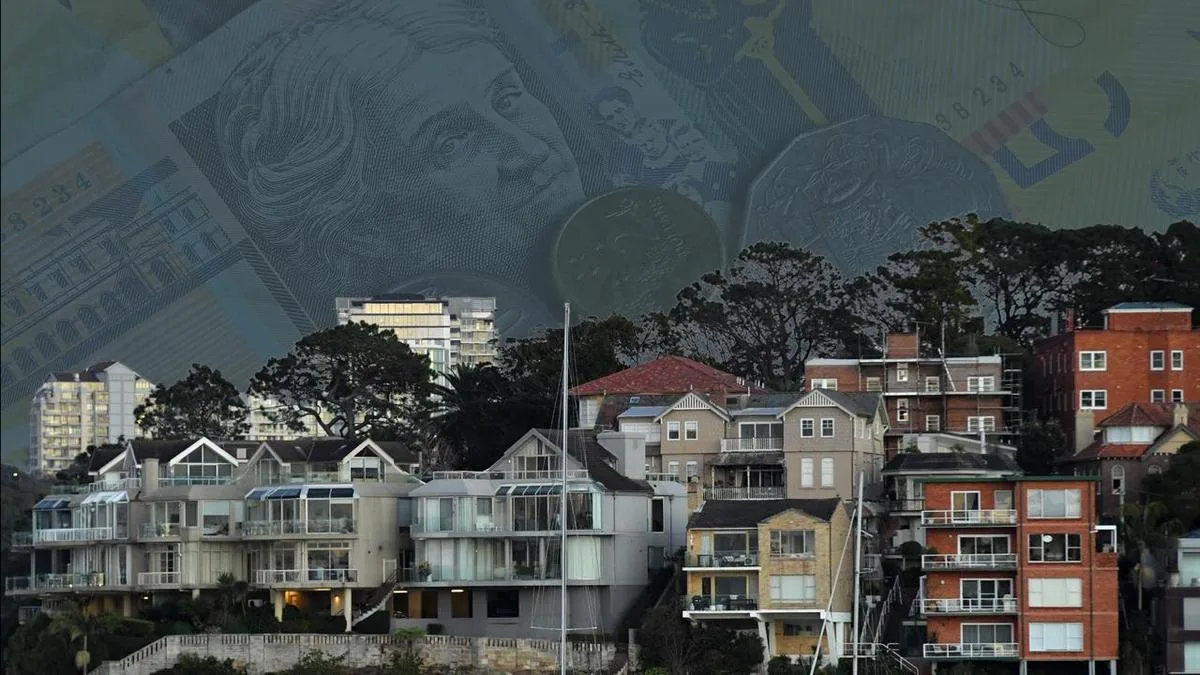
Australians need to earn about 75 per cent more than the median income to be able to afford the median rental, the latest dire snapshot of the housing market shows.
A worker on an income of $130,000 a year - more than $55,000 higher than the national average - would still find themselves in housing stress in a median rental property, according to a report by Everybody's Home.
That worker would need to spend 33 per cent of their disposable income on the national median rental of $614 a week, higher than the internationally-accepted benchmark of affordability of 30 per cent of a household budget.
Everybody's Home spokesperson Maiy Azize said rising rents were costing Australians more of their pay than ever before.
"Our rental crisis isn't a new phenomenon or a policy shock, it's a long-term trend that's been compounding, and there's only so much renters can afford to pay before they hit breaking point," she said.
"Essential workers, professionals, and even those on six-figure salaries are finding it harder to pay the rent right across the country."
The housing advocacy group's latest Priced Out report, released on Monday, showed that a worker on $70,000 a year, close to Australia's median employee income of $74,100, would have to spend more than half their income on the median rental in every capital city.
In some parts of regional Australia, rental affordability was even worse.
Northern WA was the most unaffordable place to rent in the country, with a renter on $70,000 a year devoting 87 per cent of their income on a median rental.
The Gold Coast, the Sunshine Coast, the Central Coast, Wollongong and Beenleigh in Queensland also featured in the top 10 unaffordable.
Ms Azize said the rental crisis was a result of governments walking away from building public housing.
"The solution is actually pretty simple. The federal government needs to build public and community homes at scale," she said.
"While we wait for more public and community housing, the federal government needs to work with states and territories to limit rent increases, improve rental standards, and make sure those on the lowest incomes have enough money to live."
The Australian Council of Trade Union has also urged the government to scale up investment in housing, calling for one in 10 new homes to be public housing up from the current rate of one in 50.
5News aggregated this summary from the outlet’s public feed. The full article, with all the context, is on www.perthnow.com.au — the content belongs to PerthNow.