Loved on both sides of politics, Dolly Parton represented the best of America
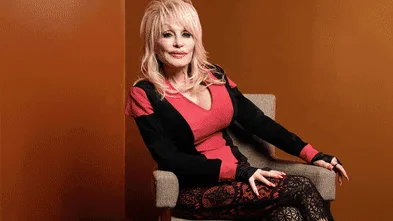
The songs of Dolly Parton soundtrack the lives of generations but her public life also chronicled the extraordinary changes experienced by many around the world.
Parton has died aged 80 and in a career spanning more than six decades, penned some 3000 songs and inspired a range of communities, from fans who simply loved her voice and lyrics to rednecks who could see she was one of them, and members of the LGBTQ community impressed by her rhinestones and chutzpah.
The writer Chet Flippo’s August 1977 Rolling Stone magazine cover story escorted the country and western singer into the larger world of rock with the line “Big Rock Candy Mountain”, borrowed from the Depression-era song about a hobo’s vision of paradise that neatly encapsulated her dirt poor Appalachian childhood and the arrival of glittering stardom.
Blond ambition, Daisy Mae, Steel Magnolia and toast of Dollywood were just some of the sobriquets that showered down as Parton moved from C&W and country radio to television, pop, film and business and philanthropy.
But, her enduring legacy came from more than celebrity: she was a songwriter and owner who turned her personal story into something that touched on the admired American trait of rugged individualism but remained fixed to the unselfish reality of helping others.
Her philanthropy touched millions around the world. She funded research for a COVID vaccine and established the Imagination Library, a philanthropic book gifting program to inspire a love of reading among children, especially those from more disadvantaged communities. Every child in the program receives a book a month in the mail for free, until they turn five.
The library stemmed from her father’s inability to read properly. Since 1995 more than 200 million books have been distributed around the world. Last year, the Imagination Library delivered its 2 millionth book in Australia. In NSW , the program is run by charity United Way and has targeted 15,000 children in vulnerable local government areas.
To many, Parton also came to define feminism . She forged her own path with confidence, smarts, and humour and encouraged women to embrace who they wanted to be and stand up for their values. She starred in 9 to 5 , the 1980 film regarded as a feminist landmark for its portrayal of equality in the workplace and satire of corporate gender dynamics.
Parton’s popularity crossed geography and age groups. Older Australians watched her emerge from Nashville roots on mainstream US television programs with her 1974 hit Jolene . Younger fans met her courtesy of Whitney Houston’s 1992 version of Parton’s song I Will Always Love You .
Throughout, Parton stayed away from politics. Despite blandishments, she refused Presidential Medal of Freedom offers and would not choose between Donald Trump and his Democrat opponents. Her reason was homespun common sense: “Because you’re going to lose half your audience.”
Parton was one of the last public figures who was a hero to both ends of the political spectrum. In a polarised world that too often sees the worst in America, she was its best.
5News aggregated this summary from the outlet’s public feed. The full article, with all the context, is on www.smh.com.au — the content belongs to Sydney Morning Herald - Culture.