As the US Open begins, all eyes are on the big problem hurting tennis
It’s a mixed bag for Craig Tiley’s first US Open at the helm: Jannik Sinner, the world No. 1, withdrew from the tournament with a persistent knee injury. He’s one of 20 male and female players who have pulled out of the year’s final grand slam.
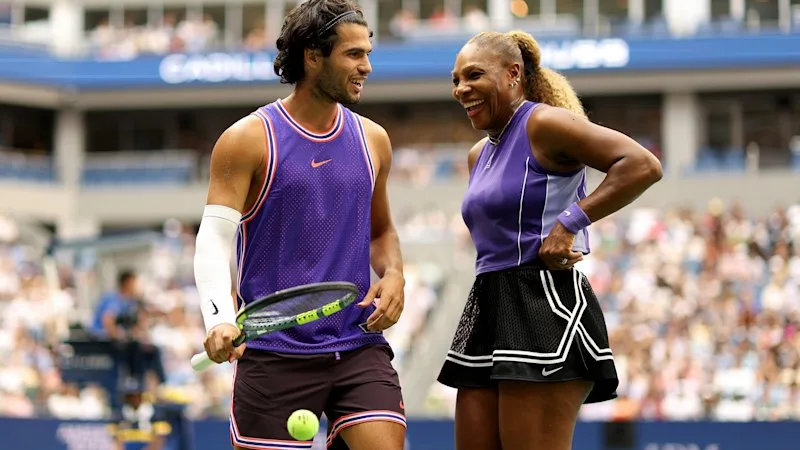
On the other hand, defending champion Carlos Alcaraz – always a crowd favourite – is making his return after being sidelined with a wrist injury since before the French Open. He even played the US Open’s mixed doubles last week with legend Serena Williams.
Injuries, and the gruelling pace and intensity of the tour, have been the talk of the year in tennis – particularly here on its North American leg, where players have missed several marquee tournaments amid injury carnage.
According to the Professional Tennis Players Association, upper body injuries are up 42 per cent, arm injuries up more than 100 per cent, and match-ending injuries have jumped 53 per cent.
“The evidence is clear: the season is too long, recovery time is shrinking, and injuries are occurring earlier and becoming more severe,” the association said this month.
The statement was prompted by another spate of withdrawals at the National Bank Open in Canada, a Masters 1000-level event – second in importance and prestige only behind the grand slams.
Both Sinner and Alcaraz skipped the men’s tournament in Montreal for the second year in a row – as did Novak Djokovic and a slew of other players. Hometown hero Felix Auger-Aliassime was forced out at the last minute with a back injury. At the women’s in Toronto, defending champ Victoria Mboko also withdrew.
Masters tournaments are mandatory on the tennis tour; top players are automatically enrolled, and can only withdraw for valid reasons such as injury. Men must also compete in at least four 500-level events a year, and women must enter six.
Every tournament naturally wants to attract the top players, who draw in more fans. But there is growing acceptance in the tennis world that not only are the size and pace of the tours unsustainable, but they are having a counter-productive affect.
One player who has been raising the issue publicly for some time is Australia’s Alex de Minaur .
“I’ve said it for a while: I would like the schedule to be shorter. That’s no secret,” he said in an interview at the Mubadala DC Open in Washington last month. De Minaur is softly spoken and understated, yet clear: “You want your tournaments to consist of the best players, and so that’s something that probably needs to be looked at.”
De Minaur was top seed at Mubadala, a 500-level event; his main competitors were Americans playing on home turf. He had just taken 13 days off to marry fellow tennis star Katie Boulter, which included a whirlwind honeymoon in Portofino. It was the longest he can remember going without a racquet in hand, he said.
“The way the sport is set up, it is a long season, it is a long schedule, and whether you like it or not, I think we’re seeing more and more maybe people not being 100 per cent [fit],” de Minaur said.
“That’s something to monitor. You want to find that balance. It’s got a little bit of a compounding effect ...
5News aggregated this summary from the outlet’s public feed. The full article, with all the context, is on www.smh.com.au — the content belongs to Sydney Morning Herald - Sport.