The political genius of Dolly Parton, the great unifier
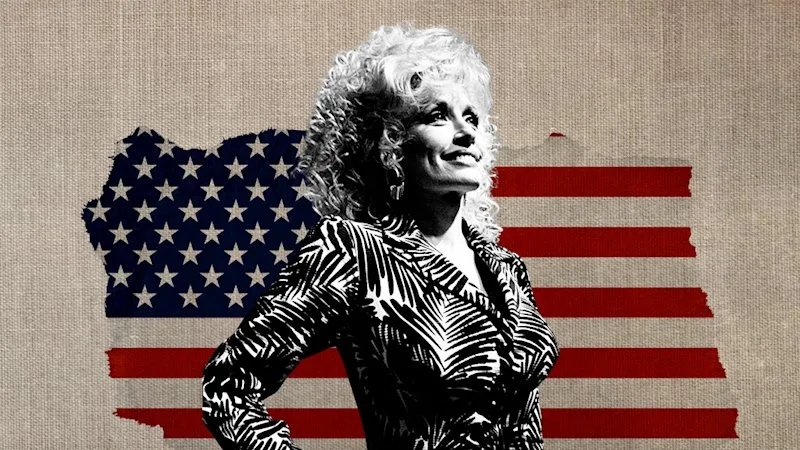
The machinery of American politics sorts everything that it sees. Every moment becomes a litmus test, where every cultural symbol is judged as either MAGA or its opposite.
Artists, companies, cities, sports, and even beer get assigned into these categories. A political age consumes everything it touches.
She managed a high-wire act of being entirely herself, a vision of American individualism done right, a preacher who could build a congregation without demanding conversion – where its members could briefly see a piece of shared humanity in each other in their shared appreciation of the woman we Americans knew as Saint Dolly.
Her first big break on the country music stage was as the “singing girl” on The Porter Wagoner Show. During her first performance, the audience booed her during the commercial break. They were angry at the change that this brash, blonde starlet with an unusual voice represented.
The show allowed her star to rise, and eventually she set out on her own. Her break with Wagoner, then the kingmaker of country music, is what inspired Dolly to write I Will Always Love You . It’s a song about leaving someone you love but refusing to hate the person you’re leaving behind.
The way that Dolly left Porter became the blueprint for a career as the last great unifier in American politics. Later in her life, when Porter was left poor at the end of his career, she bought his music catalogue and gifted it back to him.
By the time she built her empire, she understood how fragile the kind of fame she had developed could be. In her flock were conservatives and liberals, evangelicals and atheists, drag queens and NASCAR drivers.
All the while, she refused to endorse anything while embracing everyone. Some of that instinct had been trained into her by country music’s famously possessive fans. When Dolly crossed into pop, she told TV talkshow host Larry King that she was worried that she was leaving those fans behind. But she told them that she wasn’t leaving country music. She was taking it with her.
For many artists, that act would feel like cowardice, to never state your beliefs – to just shut up and sing.
Instead, she was fearless about defining herself and refused to define anyone else.
In a 1984 interview with Andy Warhol, the painter told her that she could be a great preacher. She replied, “What do you mean? I am a great preacher.”
What she preached was nothing short of American individualism done right. The internet today is flooded with her quotes and Dollyisms , using her very body to grant permission for her fans to become whatever ambitious, sequinned thing they are capable of becoming. Her only demand in return for that permission was to afford everyone else the same privilege.
In the same interview, she talked about being a star, as finding your own place and shining within it. It does not require a big stage or a big wig. In Dolly’s universe, there was room enough for everyone to shine.
Where I grew up in the rural South, imagination could often be hard to come by. Our school system was so underfunded that parts of it became known as the Corridor of Shame.
5News aggregated this summary from the outlet’s public feed. The full article, with all the context, is on www.smh.com.au — the content belongs to Sydney Morning Herald - Culture.