The financial trend raising the alarm from Wall Street to western Sydney
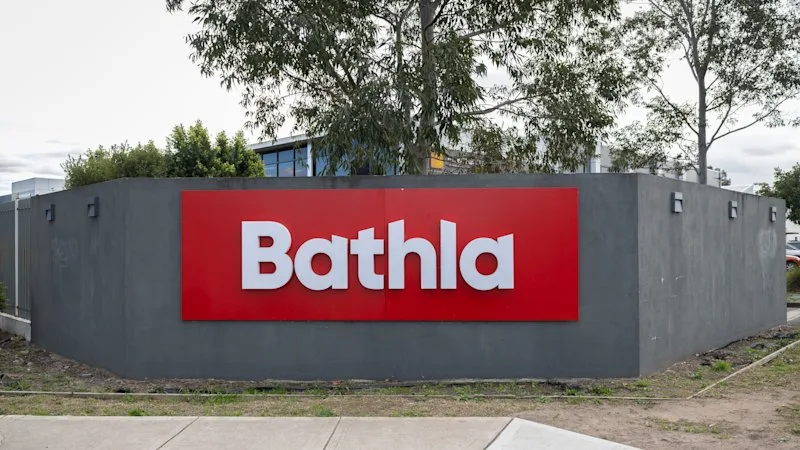
Hundreds of home buyers across Sydney’s suburban fringes have been left hanging after this week’s $3 billion collapse of property developer Bathla Group.
But looming over the crushed dreams of would-be apartment owners is a bigger story which has raised the alarm from Wall Street to western Sydney: the rapid rise of the private credit market – essentially loans made to businesses from financial institutions outside the traditional banking system.
For businesses in sectors like construction, real estate and hospitality that are more exposed to the boom and bust of the business cycle, private credit, or shadow banking, has been a vital source of finance. In the post-global financial crisis era, banks became more reluctant to lend to such risky borrowers. The regulatory shackles were also tightened in Australia after the conclusion of the banking royal commission in 2019.
“About 10 to 15 years ago, the banks would’ve been up to their eyeballs in this lending, and their bad debts would’ve been climbing,” said Hugh Dive, chief investment officer at Atlas Funds Management.
“It’s [private credit] been an important escape valve for the major banks because they have a watch list of concerns. Private credit has helped them manage those watch lists,” Jarden analyst Matthew Wilson said.
To account for the risky nature of those loans, funds typically charge higher interest rates to borrowers than those offered by banks. Buoyed by the possibility of higher returns, investors poured money into private credit funds, and the sector’s growth has turbocharged in the post-pandemic era into a $US3 trillion ($4.19 trillion) global market.
“For investors, it’s higher risk and higher reward,” said Nathan Zaia, a senior equity analyst at Morningstar.
In Australia, where the private credit sector is worth about $200 billion (a 500 per cent increase since 2015), lenders have convinced a growing class of investors including superannuation funds that those rewards are too big to ignore
“We’ve been hearing in presentations for a couple of years about the huge growth potential, how ‘we’re much more nimble than the slow and boring banks’,” Dive said.
Now, thanks to a changing economic climate, those risks are starting to become too big to ignore. The Australian Securities and Investments Commission has been ringing alarm bells about the sector for some time now.
“When done well, private credit provides an important source of funding and supports economic growth and innovation,” the corporate watchdog said in a recent note.
“But weaknesses in governance, disclosure, valuation practices and conflicts management become more pronounced as conditions tighten.”
What makes private credit attractive to an investor – like high interest rates and relatively loose regulations and lending standards – are precisely what can cause risk to build up.
“In an environment where you’ve had rates going up, inflation, the costs rising, and delays to your project as well, if the price of the asset falls, that’s what catches these construction firms,” Zaia from Morningstar said.
5News aggregated this summary from the outlet’s public feed. The full article, with all the context, is on www.brisbanetimes.com.au — the content belongs to Brisbane Times.