How the US media's fightback will hit Donald Trump — and the legal right it's relying on
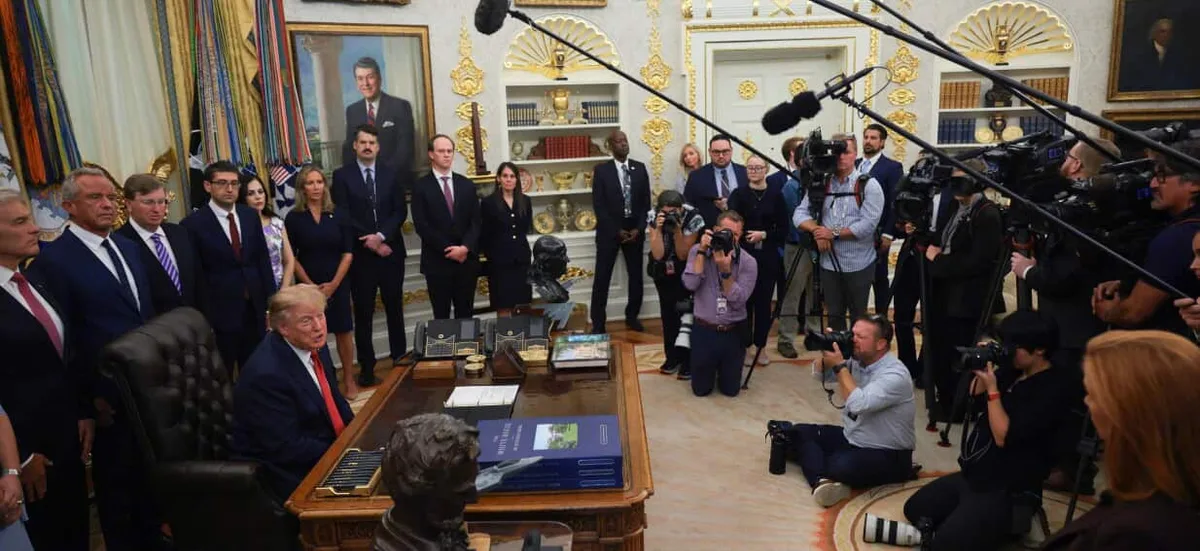
Major United States media outlets from across the political divide have come together in rare solidarity to oppose US President Donald Trump's unprecedented ban on several organisations, including CNN, from the White House.
Trump last week announced he was barring CNN, Politico and MS NOW (formerly MSNBC) from the White House, accusing them of spreading "fake news".
The outlets have since filed a legal challenge, arguing the ban violated the First Amendment of the US constitution, which protects free speech and press freedom.
Other major outlets have now suspended pool coverage — an arrangement in which media share footage from events — of Trump in solidarity with the banned outlets.
The decision could affect Australian media organisations, including SBS, that have share arrangements with US outlets.
Your trusted source for staying up-to-date with the world around you. Get free daily news updates and analysis, straight to your inbox.
On Friday, Trump announced that he was banning the three outlets from the White House grounds.
"The White House is not instituting an assault on the Free Press, something which I cherish. It is instituting an assault on the FAKE NEWS. It is a threat to our National Security, and must be stopped, NOW!" Trump said on social media on Monday, without providing evidence of a national security threat.
Trump, who has long had a contentious relationship with the media, said there was no specific incident that had prompted the ban, but warned others would follow.
"It's really just cumulative stories over the past few years," he told reporters.
Within 10 minutes of Trump's announcement, CNN contacted MS NOW and Politico to discuss joint legal action, Reuters reported, citing confidential sources.
On Monday, they announced a joint lawsuit against Trump and other administration officials, arguing that the move violated press freedom and free speech rights protected under the US constitution's First Amendment.
"Left unchallenged, this threatens press freedom and the public's right to independent journalism free from government interference," they said in a joint statement.
However, vice president JD Vance rejected the suggestion they'd been banned, saying they had instead lost what he called "special access".
5News aggregated this summary from the outlet’s public feed. The full article, with all the context, is on www.sbs.com.au — the content belongs to SBS News - Latest.