Parents are increasingly abusive towards teachers and principals. How can schools respond?
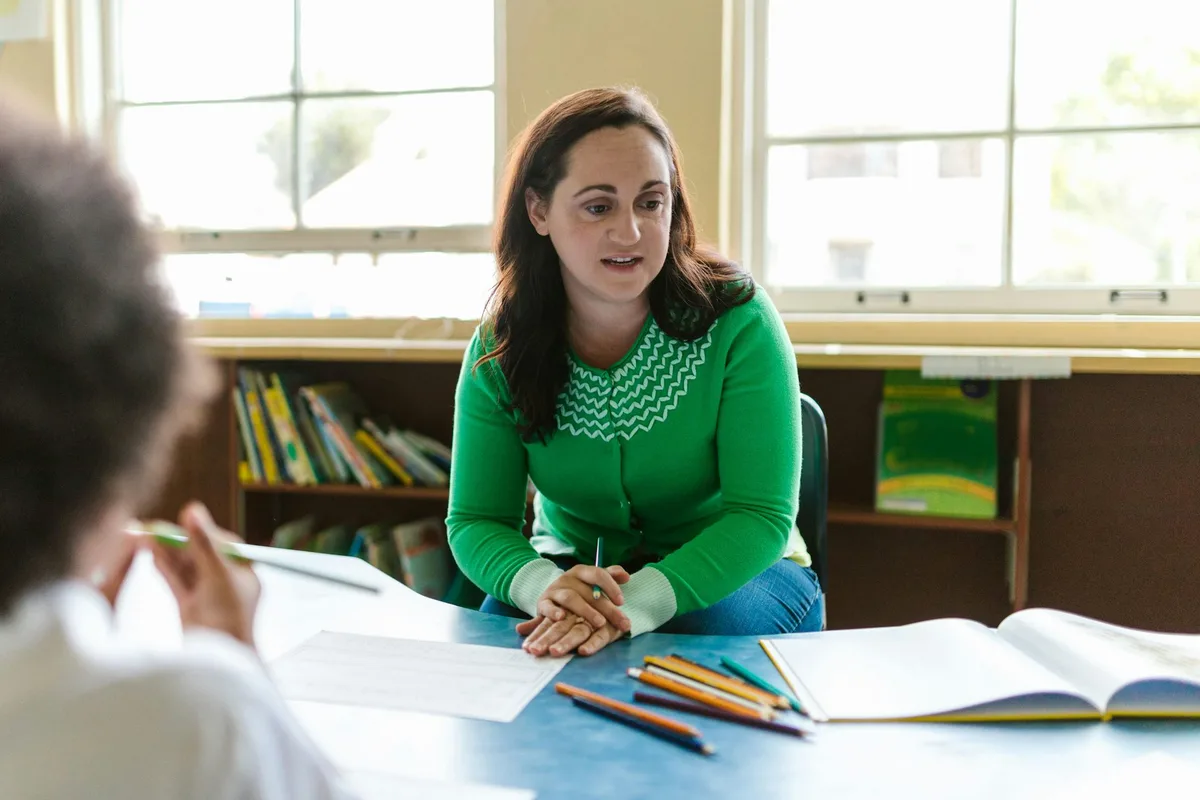
RDNE Stock Project/ Pexels Some private schools have begun asking parents to sign a code of conduct to try and stop abusive behaviour towards teachers .
In media reports , some principals have called out parents for a sense of entitlement, bullying of staff and refusing to admit when their child has misbehaved.
Public schools are also taking new steps to try and curtail abusive parents.
Victoria and South Australia have introduced laws to give principals powers to ban abusive parents from school grounds.
This includes banning parents who are abusive in person, over email and phone or on social media.
New South Wales is also considering similar laws.
Why have such strong measures become necessary? How serious is the problem? Parents need to be able to question school decisions, raise concerns and advocate for their children.
These are all important parts of meaningful parent engagement with education.
But research clearly shows abusive behaviour towards teachers has been growing.
For 15 years, Australian survey research has tracked school leaders’ experiences – this includes principals, deputy principals and other senior leaders.
This has found parents and caregivers are a significant and growing source of threatening and abusive behaviour.
In 2025, they were identified as a source in almost two thirds of reported threats of violence – in 2011, this figure was less than 25%.
In 2025, nearly nine in ten cases of cyberbullying of school principals came from parents and caregivers.
The impact is not confined to overt threats.
5News aggregated this summary from the outlet’s public feed. The full article, with all the context, is on theconversation.com — the content belongs to The Conversation Australia.