I’ve met some wonderful men online, and this is the vulnerability they all share
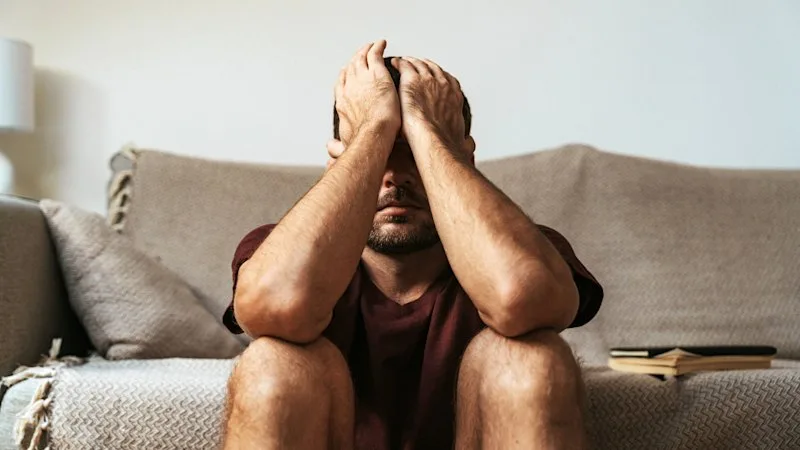
I’ve met some wonderful men online recently – funny, smart, clever, successful and cheeky blokes who amuse and inspire. But what has made me so fond of them is their honesty. All these fellas suffer depression and anxiety and have no shame in admitting it.
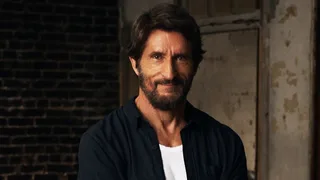
Let’s start with a man I adore but whose name I don’t know. He’s a New York chef who keeps his privacy guarded as he wryly critiques cooking videos from the sublime to the bilious. His subversive, acerbic commentary makes me grin every post. But some days he can’t get there. He’s depressed and says so. He knows he’s not alone in living with a disease that makes you feel so, well, alone. It’s a part of his life and he deals with it as best he can.
Mike Oh, from one of my favourite true-crime channels, That Chapter , is an affable Irish sweetie whose stories of serial killers and psychopaths often lull me to sleep. When he discusses a perpetrator’s depression, he speaks with compassion, openly acknowledging that he lives with the same insidious disease – and that it ain’t easy.
Perhaps my favourite new friend is Craig Westhoff , the creator of my social-media obsession, Lamentations of a Dog Owner . This man’s voice and intonation are exquisite in their Biblical splendour. But sometimes he will openly talk about dealing with mental illness, what he’s learnt and wants to share. His candour allows those of us who suffer (and sadly, I’m one) not only understanding but also empathy.
This is important because mental disorders affect 40 per cent of Australians (for comparison, just 5 per cent of us have diabetes). And with the most severe effect seen in men. In this country, three-quarters of all deaths by suicide are male, making it the leading cause of death for males aged 15 to 44, and seven men take their lives every day. This isn’t so much an issue as an epidemic.
Mental illness isn’t just sadness. It can also show up as anger, irritability and aggression. Symptoms also include risk-taking behaviour, substance abuse, social isolation, emotional numbness, chronic pain, sleep disturbance, digestive issues, fatigue, loss of libido and brain fog.
These are not indicators to be swept under the rug or blanketed in stigma. Men need help, and that help is out there. But many of them also need the confidence to reach for it without shame, judgment or self-flagellation. They need mental illness to be normalised.
I say this as a woman who has lost three cherished men to suicide, and I never want anyone else to endure the heartache and guilt so many felt as a result. The horror of comprehending just how low and lonely they must have been; the clawing feeling we could have done something; the heartbreaking loss of beautiful souls who had so much to contribute. I wish they’d confided how they felt because there would have been no judgment, just love and encouragement.
Women are usually better at communicating such issues. In my close circle of girlfriends, mental illness is discussed openly, honestly and often. I will know when one of them is descending into darkness, as they will recognise it in me, and we will help to hoist each other out. It’s the way it’s supposed to be.
5News aggregated this summary from the outlet’s public feed. The full article, with all the context, is on www.theage.com.au — the content belongs to The Age - Home.