Labor pledges to halt Melbourne’s urban sprawl, but planners ask if we’re heading to a megacity mess
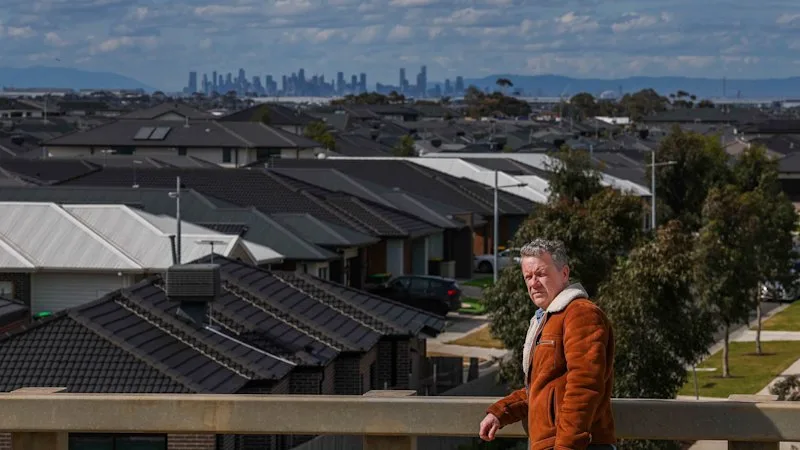
The footprint of metropolitan Melbourne will not be expanded beyond its current, official perimeter after the Carroll government vowed to put an end to decades of urban sprawl.
Planning Minister Sonya Kilkenny has promised that future Labor governments will not review the urban growth boundary , resisting what she acknowledges is pressure from property interests to do so.
She has also ruled out housing development of the city’s green wedge, protected zones dubbed “Melbourne’s lungs” by their champion, former Liberal premier Sir Rupert Hamer, which set aside land for environmental protection and agriculture.
“We are committed to maintaining the urban growth boundary,” Kilkenny told The Age. “That’s Labor’s commitment.”
The boundary is a planning line the state government established in 2002. It defines the limits of development, looping broadly around Pakenham, Cranbourne, Lilydale, Epping, Wallan, Melton and Werribee.
By drawing a clear line on a map, Kilkenny has also drawn a policy battleline about the future shape of Melbourne before the November election . The Coalition is backing more housing on the city’s outskirts, but will not be drawn on the question of the boundary, or the green wedge.
The policy differences highlight the challenge of housing and servicing Melbourne’s booming population , which is on track to make us a global megacity this century.
Melbourne would be Australia’s first megacity, defined as more than 10 million people, alongside New York, Shanghai and Tokyo.
As we race towards this milestone, The Age and the University of Melbourne will in October host Melbourne Assembly , a three-day forum bringing together some of the world’s brightest minds in city planning, innovation, education, arts and sport to discuss ideas for the city’s future.
In the coming days, we will zoom in closely on the shaping of megacity Melbourne by 2101 – focus on how growth will affect our neighbourhoods, consider alternatives such as decentralisation and ask whether we have a say in our city’s future.
The Age has commissioned population projections from Johnny Barnard, founder of the National Forecasting Program at demographic consultancy Informed Decisions (.id).
For more than three decades, Barnard has tracked the growth and development of Australian cities, factoring in trends including declining fertility and household size, and the prospect of major urban changes including completing the Suburban Rail Loop .
The figures forecast that by 2101, Melbourne will soar from a current population of 5.49 million to more than 10 million.
“Melbourne faces big decisions about how and where to house a population of almost twice its current size,” Barnard says. “Our forecasts should give politicians, public servants, developers and planners plenty to think about.”
5News aggregated this summary from the outlet’s public feed. The full article, with all the context, is on www.smh.com.au — the content belongs to Sydney Morning Herald - National.