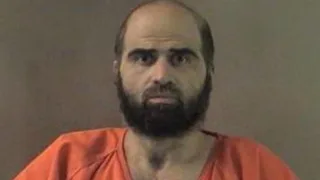
US to livestream firing squad execution of Fort Hood shooter
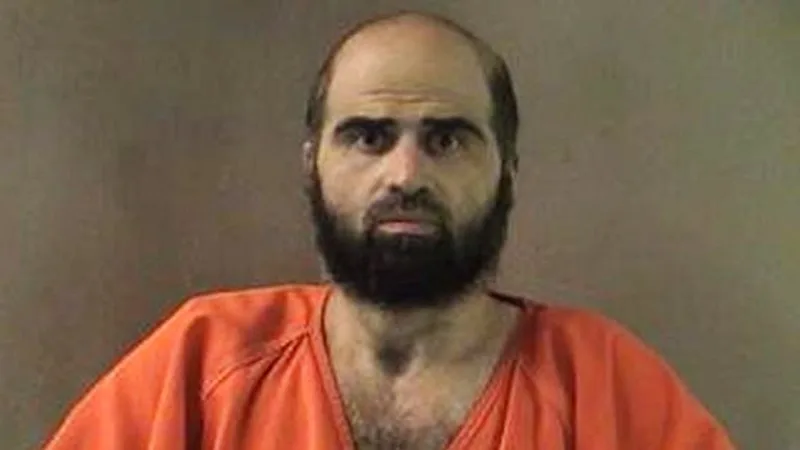
Washington: The firing squad execution of Fort Hood shooter Nidal Malik Hasan will be livestreamed, the Pentagon said, a stunning revelation about plans for the first military execution in more than 65 years after Defence Secretary Pete Hegseth had described it as being “public”.
The Army announced this week that the execution would take place at Fort Hood on December 3 after Hasan was convicted of killing 13 people and injuring 32 others in a shooting at the military base in 2009 .
Hegseth, speaking to the conservative TV outlet Real America’s Voice News this week, said, “We’ll make sure that people are able to watch it, that it’s public.” Officials in the Pentagon clarified on Thursday (US time) that the execution would be livestreamed and that more details would follow.
The revelation from Hegseth about the public nature of an execution – let alone one as violent as a firing squad – has raised further questions about how the death penalty is carried out in the United States, especially after the botched lethal injection of Christa Pike in Tennessee.
Hasan could choose to resist execution and file a habeas petition in civilian court, which is a legal request for a court to review the legality of someone’s detention, and could significantly delay the execution, experts on military law said.
“It frankly might outlast the current administration, and who knows if the next one will have the same penchant for executions,” said Eugene R. Fidell, a visiting lecturer at Yale Law School specialising in military law.
Deborah Denno, a death penalty expert and law professor at Fordham University, said livestreaming an execution could make the process “much more transparent” and inform the public about all that capital punishment entails.
Those are benefits that she said would be useful at a time when Pike’s botched execution has raised fresh questions about the manner by which criminal defendants are put to death for their crimes.
“I think it could possibly be a good idea because it would be transparent and the public would be fully aware that it’s happening,” she said.
When many states have had difficulty carrying out lethal injections due to difficulty accessing drugs or finding medical professionals willing to participate in executions, firing squads are coming to be seen as a less inhumane alternative, said Brenner Fissell, a professor at Villanova Law and vice president of the National Institute of Military Justice.
“Firing squads can be a quicker, cleaner, more precise way to execute a prisoner,” he said. “I don’t think that’s what’s motivating this.
5News aggregated this summary from the outlet’s public feed. The full article, with all the context, is on www.brisbanetimes.com.au — the content belongs to Brisbane Times.