How to Sell a Genocide has been removed from a library near Bondi – but libraries represent freedom of thought
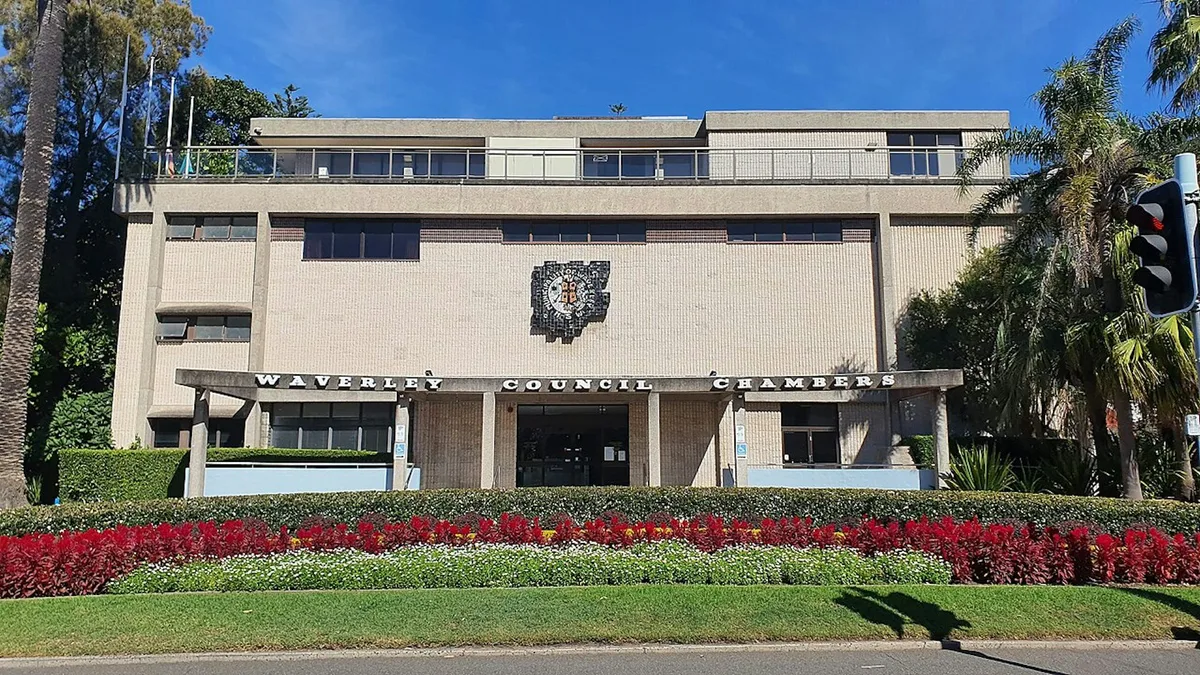
Sydney’s Waverley Council, which includes Bondi Beach within its boundaries, has removed a book on the war on Gaza, titled How to Sell a Genocide , from its library shelves, pending review.
This followed a complaint from a survivor of last year’s Bondi Beach massacre.
The Sydney Morning Herald has reported the council received “multiple complaints” about the book by media analyst Adam Johnson, which centres on a detailed critique of the United States mainstream media and its “culpability” in shaping public perceptions of the war in Gaza.
The president of the Australia Palestine Advocacy Network, Nasser Mashni, told the Guardian it is a “library’s duty to provide its community access to a broad range of published works, including those that may challenge or discomfort”.
It’s not surprising that a survivor was “distressed” by the prominent display of a book with genocide in the title, especially displayed on the “new release / hot item” shelf.
Was it thoughtless or insensitive, in a council area that is home to one of Australia’s largest Jewish communities, close to the site of the December 2025 massacre? Many may think so.
But should the book, currently being reviewed, be permanently removed from the collection at Waverley library at Bondi Junction? That’s a hard “no” from me.
It would counteract the library’s stated aims to provide “something for all ages and tastes”, including “ non-fiction titles in all subject areas ”.
We trust libraries for difficult things In my research for a book published last year , I surveyed and interviewed close to 200 people, mostly in Australia, about their use of and relationship with public libraries.
Libraries are democratic civic spaces – and a major source of information.
Denying people access to that information deprives them of the ability to learn with and from each other.
This is against the principles of Australian public libraries, as set out by Australian Libraries and Information Association .
My research shows people trust libraries to help them navigate the world and all its challenges: from access to digital services, to learning about government or world events. (Particularly the ugly, knotty events.) One person told me “their” library “signifies the essential goodness in society, upholding and defending the right to learn, and the value of knowledge being freely accessible, as a cornerstone of a progressive society”.
Waverley Council was at pains to say its book curation is outsourced, in a statement to the Guardian .
5News aggregated this summary from the outlet’s public feed. The full article, with all the context, is on theconversation.com — the content belongs to The Conversation Australia.