‘Fragmented’ care contributed to Brisbane woman’s death: coroner
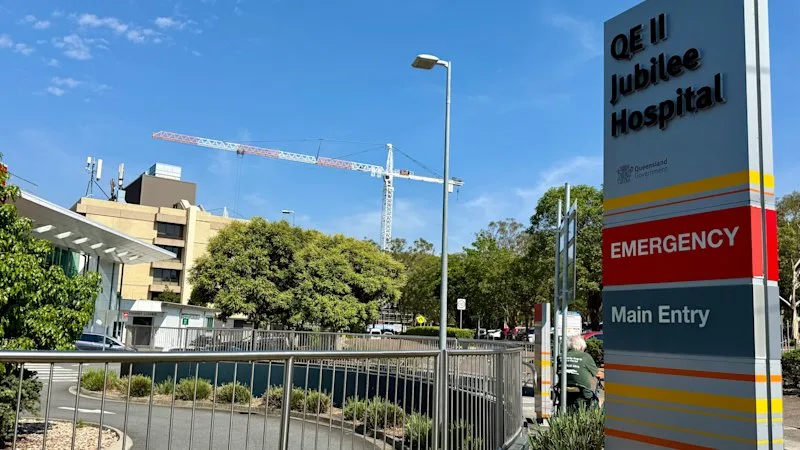
The death of a 69-year-old Brisbane woman during medical testing might prompt a rethink of southern Brisbane’s health and hospital system, a coronial report has suggested.
Yaqin Han died on October 14, 2022, when she suffered a cardiac arrest during a diagnostic test at the Queen Elizabeth II Jubilee Hospital.
Coroner Ainslie Kierkegaard ruled that while the test – which involved having the 69-year-old run on a treadmill – triggered her cardiac arrest, Han’s doctors had acted appropriately throughout the procedure.
Kierkegaard said Han’s doctor during the test – cardiologist Reza Reyaldeen – stopped it as soon as the 69-year-old began complaining of symptoms.
By that point, Han’s heartbeat had become erratic before declining into a cardiac arrest, from which she could not be revived.
The coroner said it was only “with the benefit of hindsight” that the care team led by Reyaldeen might have stopped the test sooner, as it would have been outside normal practice based on Han’s vital signs, which were being monitored throughout.
However, Kierkegaard highlighted that another south Brisbane hospital, the Princess Alexandra, was the area’s “heart valve centre of excellence”.
Han was initially referred to the PA Hospital, but was treated through a hub at the QEII Hospital, which was closer to her home.
She had been diagnosed with aortic stenosis – a narrowing of the heart’s aortic valve – having suffered dizziness, lightheadedness, and shortness of breath walking up hills.
However, various doctors who treated Han were unclear whether her condition was a moderate or severe case.
Experts testifying to the court agreed her symptoms were not enough to determine the severity of her diagnosis.
Her care team decided to undertake an exercise stress test, rather than invasive diagnostic procedures, to determine whether she would need surgery.
However, Kierkegaard said there were potential warning signs about Han’s condition being more severe than cardiologists at the QEII Hospital suspected, but they were missed because her care was fragmented.
Han was also a Mandarin speaker, requiring a translator for her appointments.
5News aggregated this summary from the outlet’s public feed. The full article, with all the context, is on www.theage.com.au — the content belongs to The Age - Home.