Why NSW Health is reviewing equipment contracts after safety concerns
The NSW government is investigating what options it can enforce under a contract that locks the state’s ambulance fleet into using error-plagued defibrillators for a further six years.
The Therapeutic Goods Administration has temporarily banned the corpuls3 and corpuls3T defibrillators from sale while they investigate reports the devices unexpectedly shut down and reboot during use.
The government has maintained that the devices are safe for use and that the TGA’s advice had “no current impact” on operations.
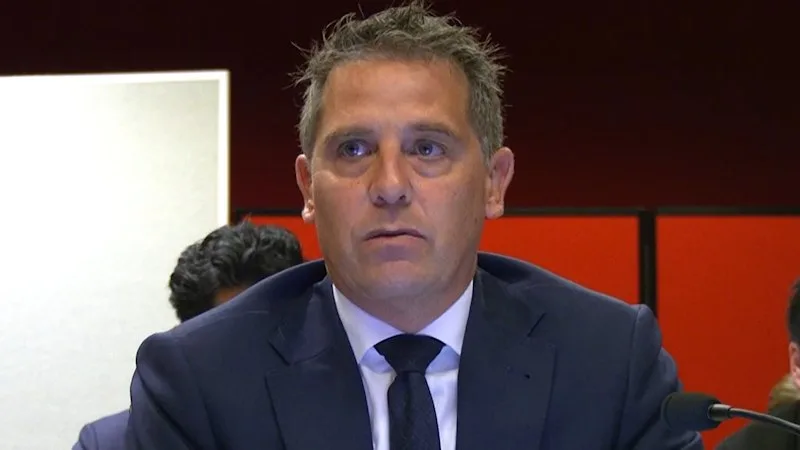
NSW Health Minister Ryan Park has now said the government is “having a look at the contract in relation to enforceability”, as it was not due to be put out to tender for another six years.
He told budget estimates on Thursday that the TGA had not indicated they planned to recall the devices, but said he was concerned about the issues raised and would “have a look at the contract and what options there are for us”.
“When a company goes into contract with us and we provide them with taxpayers’ money, then they have to provide a service that meets that. I’m concerned that a number of paramedics have said to me that the device is not doing that now.”
An Australian Paramedics Association survey found 96 per cent of respondents had experienced problems or fault with the corpuls device, and half (48 per cent) said it could have affected patient care.
Western Local Health District, which encompasses the regional centres of Bathurst and Orange, has also pulled the devices from hospitals.
A NSW Health spokesperson confirmed the devices had been removed in a statement earlier this month: “Following discussions with clinicians and due to other local factors, the district made a proactive decision to revert to the use of alternative, fit for purpose equipment already available to the LHD while further review is undertaken.”
The devices are used in about a third of the state’s local health districts, a senior NSW Health official told budget estimates, as well as in about 1600 ambulances across the state.
NSW Health Secretary Susan Pearce said her department had begun extensive contingency planning, and was considering the supply and availability of other devices on the market.
“It’s incumbent upon us to be prepared for a worst-case scenario with respect to a TGA-ordered withdrawal of those devices ... we can’t continue on as though that’s not a possibility,” she said.
NSW Health Deputy Secretary Matthew Daly said there would not be a procurement lag, as the department had identified appropriate devices from suppliers in the US, which could be directly freighted: “We could move very quickly.”
Pearce said the TGA had not indicated a recall was likely, but if one happened the department had been assured it would not be rushed: “An abrupt withdrawal would be very dangerous.”
5News aggregated this summary from the outlet’s public feed. The full article, with all the context, is on www.smh.com.au — the content belongs to Sydney Morning Herald - National.