Our property obsession is about to face its toughest test yet
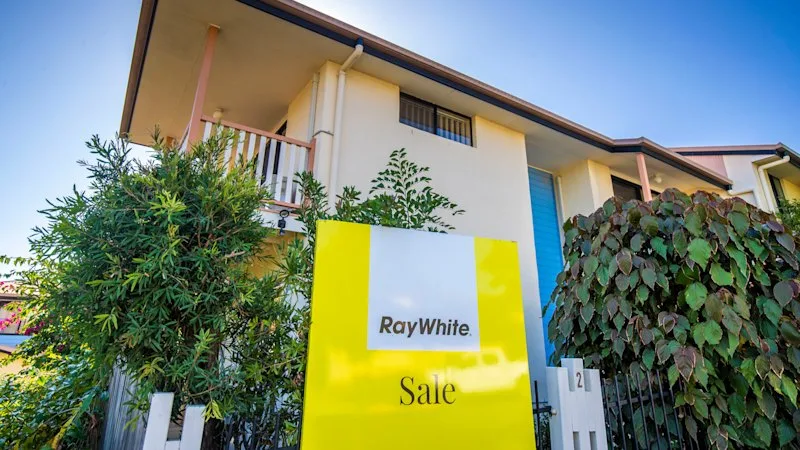
Australians have spent a generation treating property as the closest thing to a guaranteed wealth machine. Buy a home, borrow as much as the bank will lend, hold it long enough, and let the rising value do the heavy lifting.
For years, rising prices made that debt look like a cheat code for building wealth. But leverage cuts both ways. When prices rise, it can magnify gains. When they fall, it can increase the pain. After a long property boom, Australia’s obsession with housing is about to face its toughest test yet.
National home values have now fallen for five consecutive months. Recent data shows another 0.9 per cent fall in August, taking the decline from the national peak to 3.6 per cent. Sydney has been hit particularly hard, with values down 7.1 per cent from their February peak.
Markets are now virtually certain of another Reserve Bank rate rise this year, with the big question now whether the RBA moves as soon as the end of this month or waits for the next inflation data before potentially delivering the bad news on Melbourne Cup Day.
For mortgage holders, another 0.25 per cent rate rise is hardly academic and has real-world consequences. Housing is the largest household expenditure category, accounting for around a quarter of household expenditure, while Australia’s household debt burden remains among the highest in the developed world. Mortgage debt makes up the bulk of that burden, leaving households particularly exposed when interest rates rise.
Falling property prices could hit the economy. The Reserve Bank has previously estimated that a sustained 10 per cent fall in housing prices could eventually reduce household consumption by around 1.5 per cent.
Its research shows the relationship between housing wealth and spending is significant – when households feel wealthier, they tend to spend more, and when their wealth falls, Australians tighten the purse strings.
For years, rising property prices have supported consumption; that situation could now reverse. There are already signs that financial pressure is building.
The National Debt Helpline received more than 183,000 calls and online requests for help in FY26 – a record and a 9 per cent increase on the previous year. Mortgage stress remains one of the leading reasons why Australians are seeking help.
The banks have also provided a useful reality check during August reporting season. While mortgage defaults and arrears remain low by historical standards, there are signs of loan deterioration at some lenders, with increases in 90-plus-day home-loan arrears. While it is too early to call this a mortgage crisis, financial stress does tend to appear at the edges before it becomes visible everywhere.
For a recent homebuyer carrying a large mortgage, falling house prices and rising repayments are an especially uncomfortable combination. The property asset could become less valuable while the debt is becoming more expensive to service.
5News aggregated this summary from the outlet’s public feed. The full article, with all the context, is on www.watoday.com.au — the content belongs to WAtoday.