Kerryn witnessed an eight-year-old die. Then she found the system meant to help her made things worse
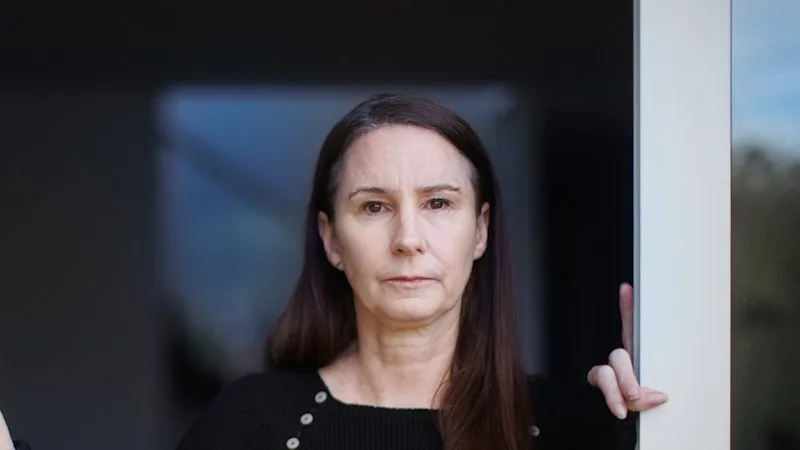
The mother of two was a self-described go-getter, frequent party host and procurement specialist who had been married for three decades.
But it all changed on November 28, 2018, when Airs, driving home from work, saw an eight-year-old girl step into oncoming traffic at an intersection in Melbourne’s east, get hit by a car and die.
Airs rushed to help and called Triple Zero. She later called the girl’s mother to tell her of the accident.
Witnessing the crash deeply traumatised Airs. That night she vomited and barely slept as the sound of the car hitting the girl replayed in her head. She became deeply depressed and suicidal. She was later diagnosed with PTSD. Airs stopped working, her marriage broke down and for a time she lived in her car.
Later that year she submitted a claim for impairment to the Transport Accident Commission, Victoria’s state-owned insurer, which pays for medical care and support after road accidents. The claim was accepted, but Airs said failings by the TAC over the following eight years ultimately compounded her suffering.
In evidence submitted to a parliamentary inquiry designed to improve the scheme, Airs claimed the TAC at times failed to fund her medical treatment and burdened her with a revolving door of case managers. She said this added to her trauma.
“If I had [psychiatry and psychology services] dealt to me back in the early stages, I would not probably be in this position right now. So if anything, the TAC has festered this. By prolonging it, it’s gotten worse,” Airs said.
She was among dozens of road trauma victims who gave evidence to the inquiry, which published its report this week. Many of them contended that while the TAC did fantastic work for the community, its clients sometimes faced a complex web of bureaucracy and significant pushback when seeking compensation.
Medical bodies told the inquiry some specialist doctors would refuse to take on TAC clients because the scheme was notorious for requiring large amounts of unpaid administrative work and not paying market rates for care.
In its report, the inquiry recommended the TAC review how it supports clients with severe injuries, that it include representatives of peak medical bodies in its clinical panel and that it establish an advisory group comprising accident survivors.
The report also found that road accident victims with significant injuries struggled to fully access the scheme and that the TAC’s complex administrative processes could add secondary trauma and undermine recovery.
Libertarian MP David Limbrick, who launched the inquiry, said it highlighted glaring problems with the scheme.
“Accident victims have always just wanted to be heard,” he said. “The establishment of a client advisory group would do a lot to rebuild bridges. There is no reason for TAC to delay implementing this.”
Tamara Tesseyman, a road trauma survivor who testified to the inquiry , said the report acknowledged the harm the TAC had caused some of its clients and provided some strong recommendations for improving the system.
5News aggregated this summary from the outlet’s public feed. The full article, with all the context, is on www.smh.com.au — the content belongs to Sydney Morning Herald - National.