Australia’s bird flu response: too little, but it’s not too late
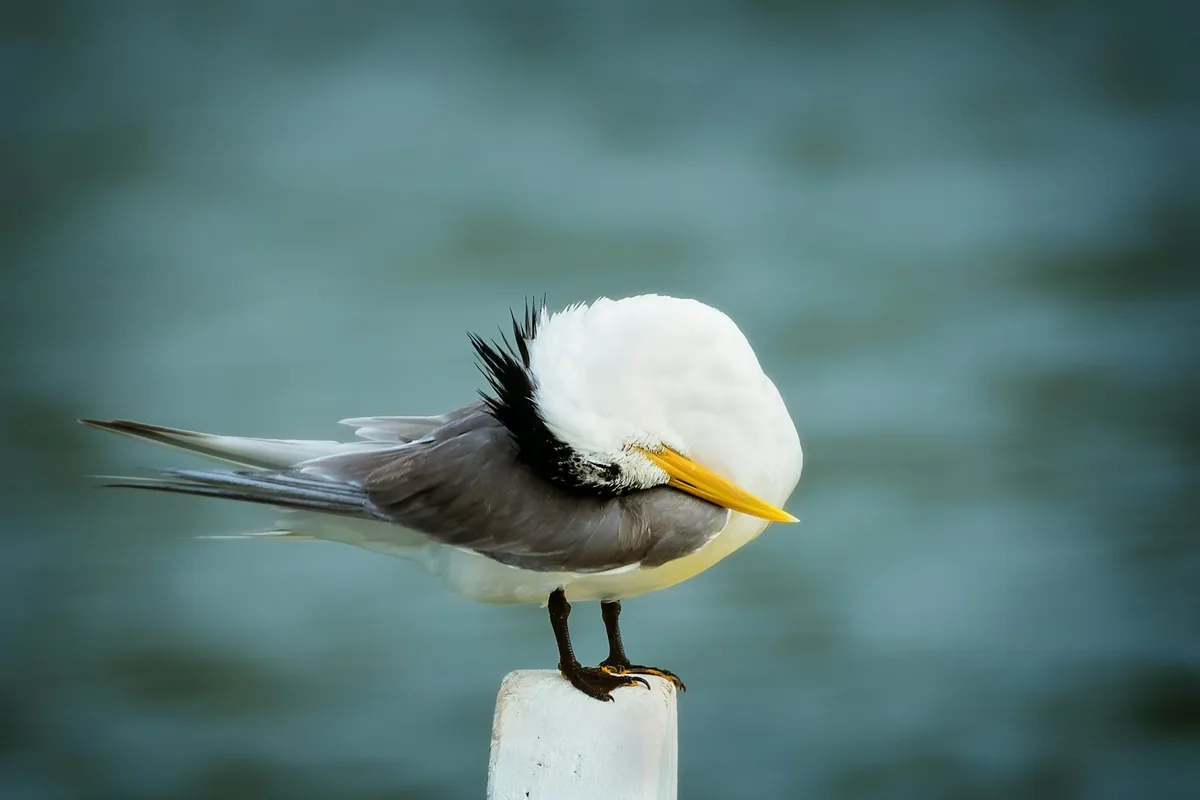
tracielouise/Getty Images When news broke over the weekend that Australia’s first mainland bird flu case in a mammal – the death of a long-nosed fur seal – had been detected, I felt deep sadness and dread for what’s likely to come next.
We should expect large scale deaths of mammals, in addition to birds.
The deadly strain of H5N1 bird flu has been spreading across Australia and devastating wildlife .
So infection in a mammal was tragically just a matter of time.
This news comes after more than 1,000 crested terns and more than two dozen little penguins recently died in South Australia and Tasmania, respectively.
Australia’s federal, state and territory governments claim they’re well-prepared to manage this environmental and conservation crisis.
Are they? There’s much that needs to be urgently improved.
Stopping the spread of bird flu is impossible, but we can still reduce the severity of its impacts on wildlife and the environment.
Chief Veterinary Officer Beth Cookson, Minister for Agriculture Julie Collins and Minister for the Environment Murray Watt speak to journalists about bird flu at Parliament House in Canberra in early August.
Mick Tsikas/AAP Clear communication must start early There is extensive information on the Department of Agriculture, Fisheries and Forestry’s bird flu page .
However, government websites are not where people typically get their information.
Before bird flu arrived in mainland Australia in June , there should have been a national public awareness campaign across traditional and social media platforms, and even via letters from local councils.
This did not happen.
Some people are clearly unsure about which activities are safe, such as bird feeding , and how to best protect themselves and their pets .
5News aggregated this summary from the outlet’s public feed. The full article, with all the context, is on theconversation.com — the content belongs to The Conversation Australia.