The first wave of bird flu is the worst: what Australia can learn from overseas
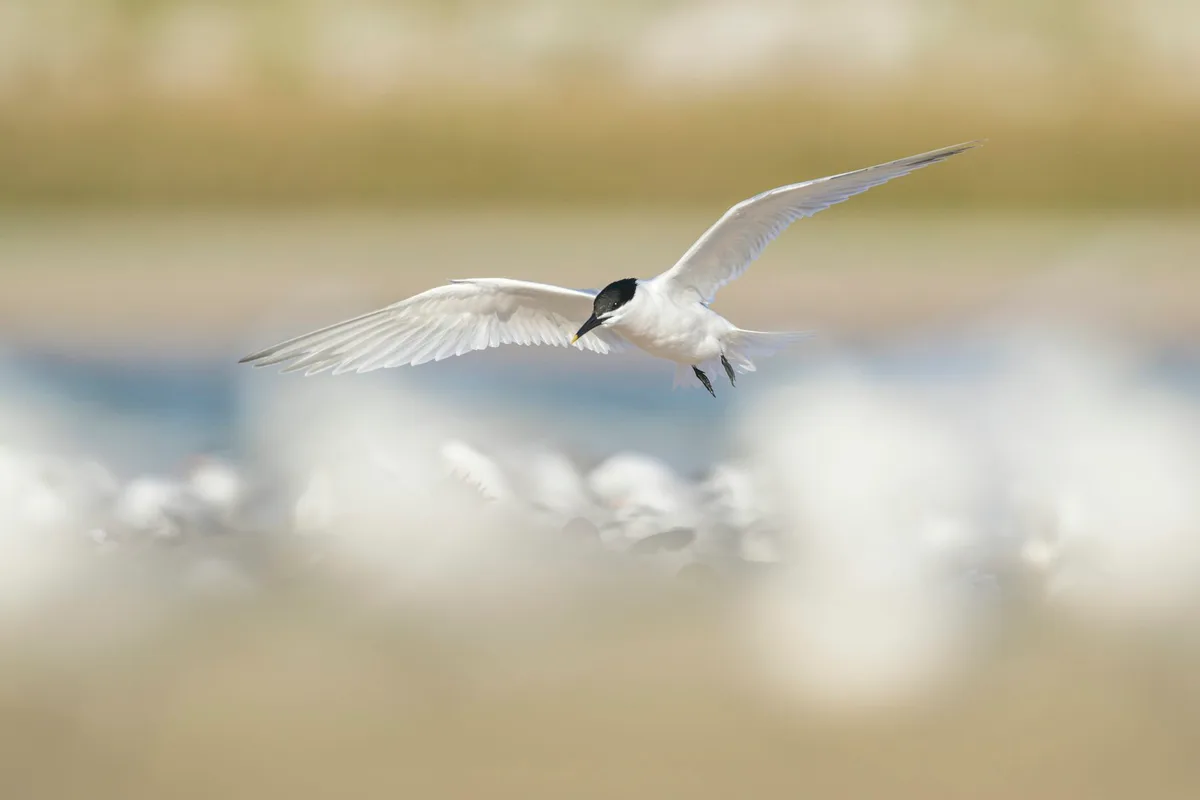
jared lloyd/Getty Hundreds of dead birds are now being reported as the lethal H5N1 strain of bird flu begins to spread across Australia.
Government reports show the virus is circulating in resident birds.
It was a long time coming.
The current outbreak emerged in 2020 .
By late 2021, it was spreading widely , leaving a widespread trail of devastation among wildlife species across Europe and the Americas.
Even as Antarctic birds and mammals began suffering over 2024 and 2025, Australia – and New Zealand – remained free of this viral strain.
Until now.
It’s easy to picture bird flu as an unstoppable wave set to decimate Australian birds and mammals.
But that’s not set in stone.
Overseas evidence shows the first wave tends to be by far the worst.
And deaths from the first wave can vary greatly, with many populations and individuals surviving.
That’s good news for some – but it won’t save vulnerable species who may lose a large proportion of their global population.
For them, recovery is likely to take decades – if at all.
The first wave is devastating In 1996, a new highly pathogenic strain of bird flu emerged in poultry in China.
5News aggregated this summary from the outlet’s public feed. The full article, with all the context, is on theconversation.com — the content belongs to The Conversation Australia.