Though rarely heretical, Richard Flanagan’s essays have a ferocious moral force
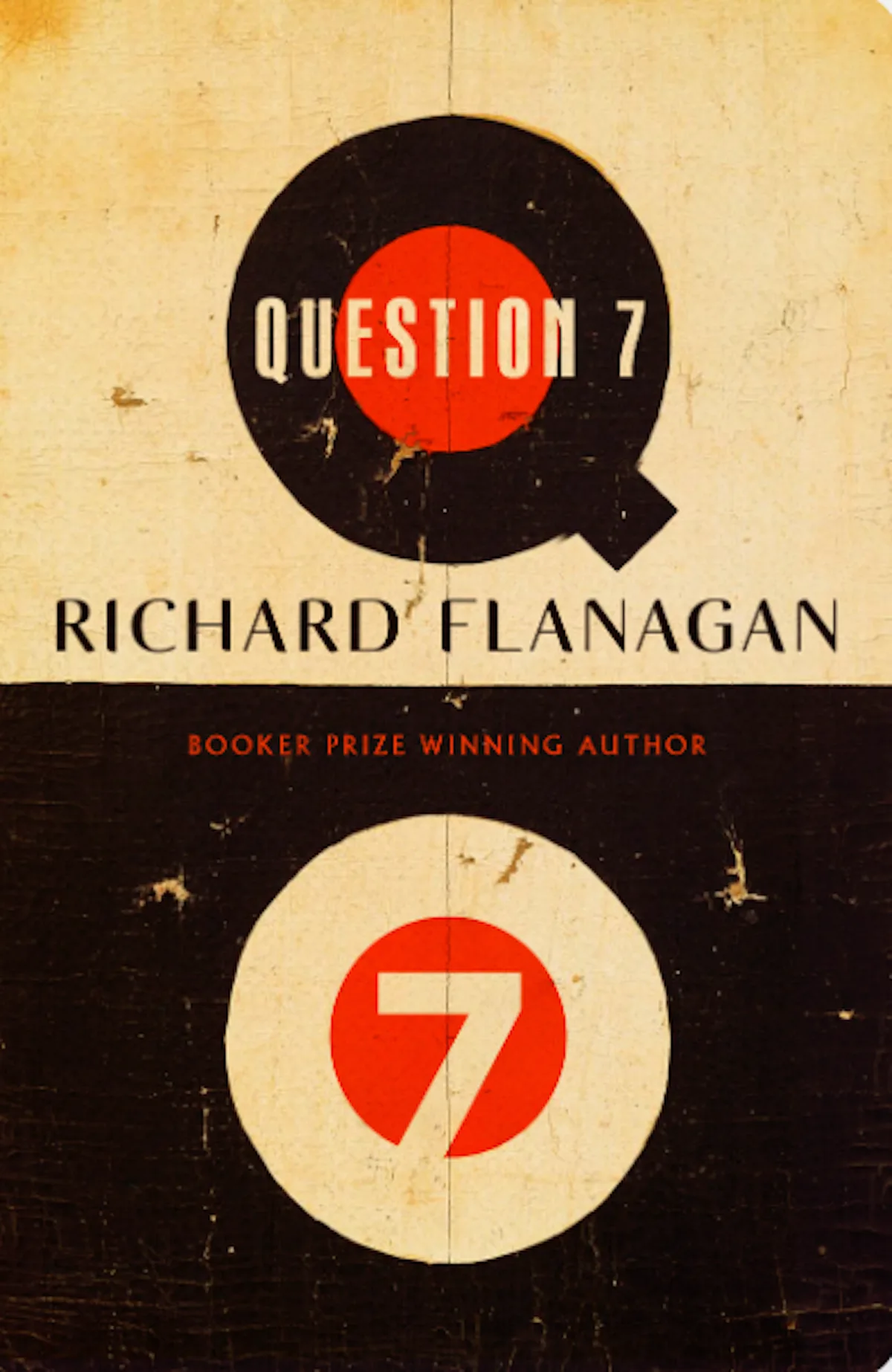
Richard Flanagan’s latest book Heresies is a collection of 24 occasional pieces published between 2009 and 2025.
They cover a range of topics dear to the author’s heart but also display the deep thinking and reading of one of Australia’s leading writers.
Review: Heresies – Richard Flanagan (Penguin) Many were first published in The Guardian and The Monthly.
Some had their first airings in public forums, particularly literary festivals, but also to more general audiences such as the National Press Club and the Garma Festival .
On these occasions one can hear Flanagan leaning, a little like Tim Winton, into his demotic rhythms and vernacular flourishes to carry his case.
While there is a tendency to speak slightingly of collections of occasional pieces, Flanagan’s eminence justifies their republication.
As well as providing a record of his public stances, they are also illuminating in their own right.
Flanagan is a natural raconteur and even when he is seething with anger and indignation, which he often is, he rarely fails to hit his phrases.
Flanagan is best known for his novels, including The Sound of One Hand Clapping (1997), Gould’s Book of Fish (2001) and The Narrow Road to the Deep North (2013).
This last novel, inspired by his father’s experience on the Burma Railway, won Flanagan the Man Booker Prize and the Prime Minister’s Literary Award for Fiction in 2014 (the latter alongside Steven Carroll’s A World of Other People ).
Flanagan donated the proceeds from the Prime Minister’s award to the Indigenous Literacy Foundation.
The Narrow Road to the Deep North has recently enjoyed a successful adaptation as a miniseries on Amazon Prime .
Flanagan is also an accomplished writer of non-fiction, where he brings a combative stance and droll sense of humour to his subjects.
His book Toxic (2021) is a devastating exposé of the Tasmanian salmon farming industry.
5News aggregated this summary from the outlet’s public feed. The full article, with all the context, is on theconversation.com — the content belongs to The Conversation Australia.