I love my boring little suburb but it does have some downsides
Growing up in Cheltenham, we used to complain to my parents that it was boring, no one had heard of it, there were no shops and nothing ever happened.
Little did we know that these things are what makes Cheltenham special.
You probably have not heard of Cheltenham. We like it this way! Nestled between Beecroft and Epping in the north-west of Sydney, 22 kilometres from the CBD, it is not a suburb that seeks attention. There are no glittering skylines, fashionable restaurant precincts or crowds of tourists. It rarely makes headlines, and perhaps that is its greatest strength.
A Sydney tailor, William Chorley, founded Cheltenham in 1890 and named it after his hometown in England. Chorley was the biggest landowner in the area and wanted to maintain the peace and quiet and so placed multiple covenants on land that he sold. Some covenants prevented pubs opening – even today the only place you can get a beer is at the Cheltenham Recreation Club . Even more covenants prevented commercial activity in the suburb, and as Chorley owned most of the land around the railway, Cheltenham Station today remains free of commercial development.
We used to joke that the only shop in Cheltenham was the canteen at Cheltenham Girls’ High School , which consistently ranks as one of the highest achieving comprehensive schools in NSW. Every day, hundreds of girls in their distinctive pink uniforms make the march from the station to the school.
Cheltenham represents something increasingly precious in modern Sydney – a suburb where nature still shapes daily life, where quiet streets remain genuinely quiet, and where the bush is not simply something viewed from a distance but an integral part of the community.
As Sydney grows, we should ask an important question: what should never be sacrificed?
Bordered by magnificent bushland and the valleys of the Lane Cove National Park, Cheltenham offers something that cannot be recreated once it is lost. Towering eucalypts, sandstone gullies and native bush form an attractive backdrop. Federation homes, a welcoming recreation club and a very popular oval add to this suburban utopia. The only shop is the ticket office at the railway station. We even have two post boxes! These things create a living environment that shapes the suburb’s identity and the wellbeing of everyone fortunate enough to live here.
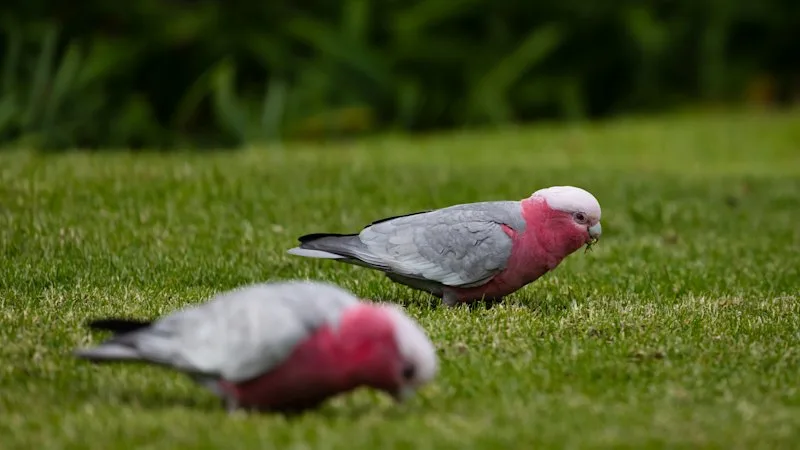
Residents wake not to the constant roar of traffic but to the calls of kookaburras, lorikeets and cockatoos. Bush tracks begin only minutes from front doors. Children grow up knowing the sounds of native birds rather than endless construction. Even an evening walk allows you to reconnect with nature rather than escape from congestion.
This isn’t simply sentimentality. Access to mature trees and bushland reduces stress, improves physical health, supports biodiversity and strengthens mental wellbeing. Green space is not a luxury reserved for national parks and weekend holidays. It is an essential ingredient of healthy communities.
The cockatoos have advanced demolition skills and consider timber verandas and window frames to be little more than chew toys.
5News aggregated this summary from the outlet’s public feed. The full article, with all the context, is on www.smh.com.au — the content belongs to Sydney Morning Herald - National.