Bus patronage hits record high, with the top 20 busiest routes revealed
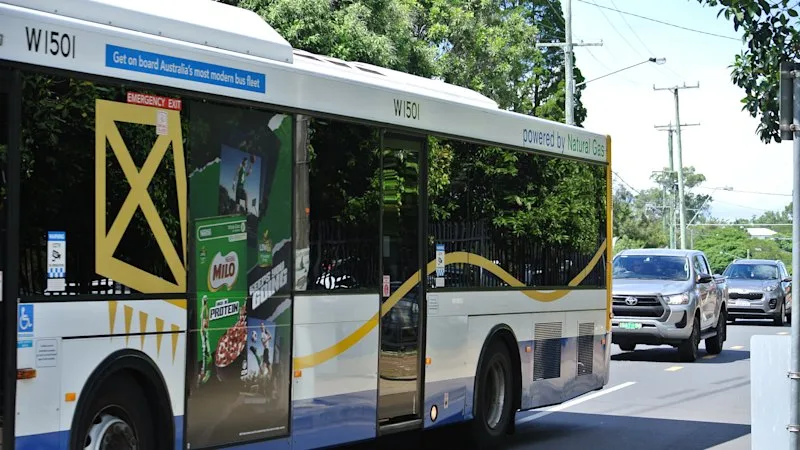
More people are catching buses in Brisbane since 50¢ fares, a timetable shake-up and two new Metro vehicles – but the state government insists they are not more crowded.
Bus trips in south-east Queensland hit a high of 13.5 million in March, finally roaring well past the pre-COVID monthly norm of 10 to 11 million in 2018 and 2019.
Public transport use was initially slow to recover from the pandemic as working from home remained entrenched, despite the region’s population exploding.
But flat 50¢ fares – introduced by Labor in an initial six-month trial from August 2024 – started to turn the tide.
Since they were introduced, bus passengers in south-east Queensland have saved more than $254 million, compared with the previous cost of fares.
Trips on the Metro on a Friday and Saturday night skyrocketed as people caught the bus instead of an Uber or taxi home from the CBD and Fortitude Valley party precincts, while some suburban routes had a 190 per cent surge in patrons .
In late 2024, shortly after the introduction of 50¢ fares, this masthead reported 0.06 per cent of kilometres travelled by SEQ buses were at full capacity in the morning , known as full standing load, with all seats taken and people standing in the aisles, while the buses were most packed at 2.30pm.
The Department of Transport and Main Roads refused a request for up-to-date figures using the same metric. It said data could not be compared with previous years because of the introduction of smart ticketing on buses in early 2025, and a transition to a new data system.
Instead, TMR provided the percentage of seated capacity used, averaged stop-by-stop by week across SEQ buses.
“Average occupancy, expressed as a percentage of seated capacity used, provides a more reliable measure, allowing us to monitor overall capacity trends across the network,” notes provided with the data said.
A TMR spokesman said 50¢ fares made travelling by train, bus or ferry in Brisbane more accessible and affordable.
“There is capacity on services right across south-east Queensland’s public transport network,” he said.
“Bus occupancy has been stable since mid-2025, with major commuter routes typically carrying around 25 to 40 per cent of seated capacity during the morning peak inbound services and afternoon peak outbound services.”
The top 20 busiest routes in SEQ were a mix of services leaving from major shopping centres, student routes, and others travelling to the inner-city. They were spread across the south, north, west, bayside and Gold Coast.
5News aggregated this summary from the outlet’s public feed. The full article, with all the context, is on www.brisbanetimes.com.au — the content belongs to Brisbane Times.